The sights
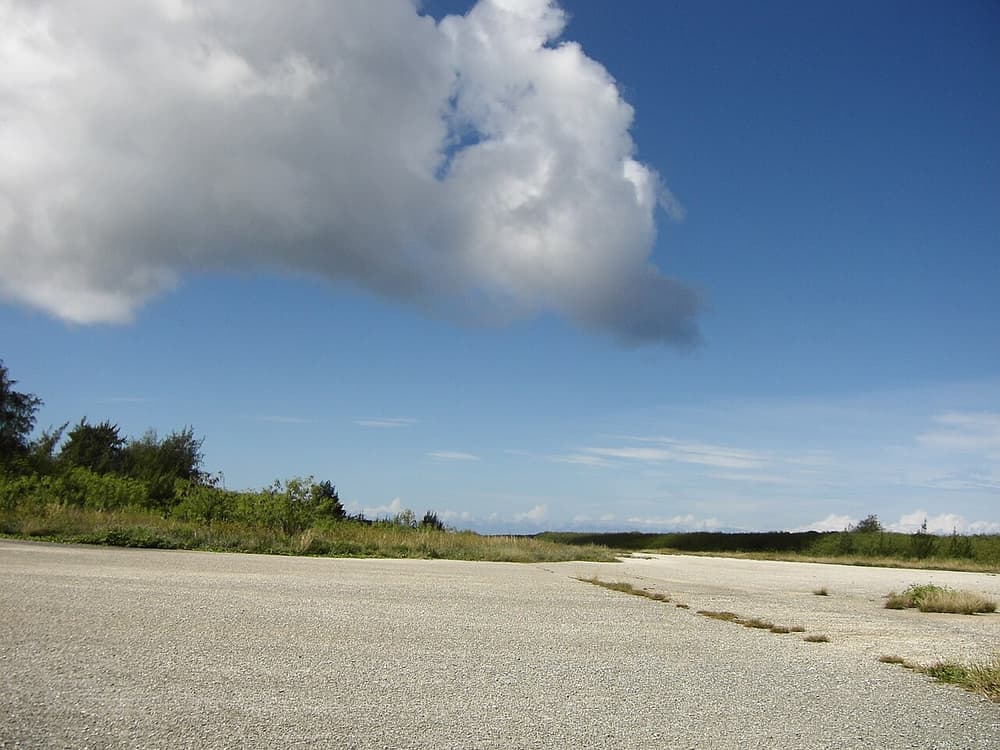
North Field
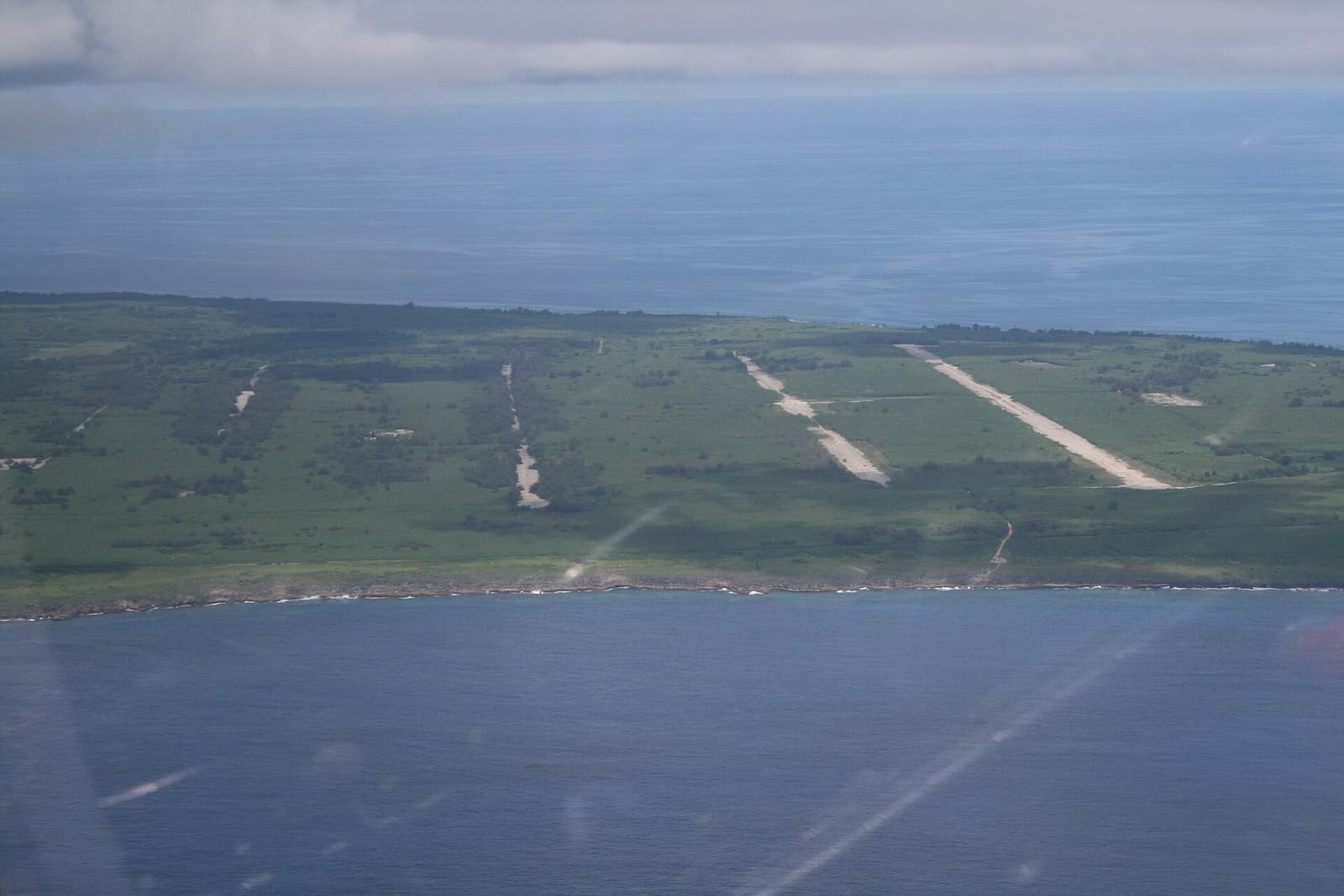
In 1945 this was the busiest airfield on earth: four parallel runways, each about 2,600 metres long, built by US Navy Seabees for the B-29 bombers that flew against Japan. Runway Able is the one from which the Enola Gay took off for Hiroshima on 6 August 1945 and Bockscar for Nagasaki three days later. Today it is a vast, silent grid of old coral and asphalt edged by jungle.
ℹ️ Free and unattended, about 20–25 minutes’ drive north of San Jose. The area is on military-leased land and has been under rehabilitation by the US Air Force, so access can change — check locally. The invasion beaches, Unai Chulu and Unai Babui, are close by. Allow one to two hours.
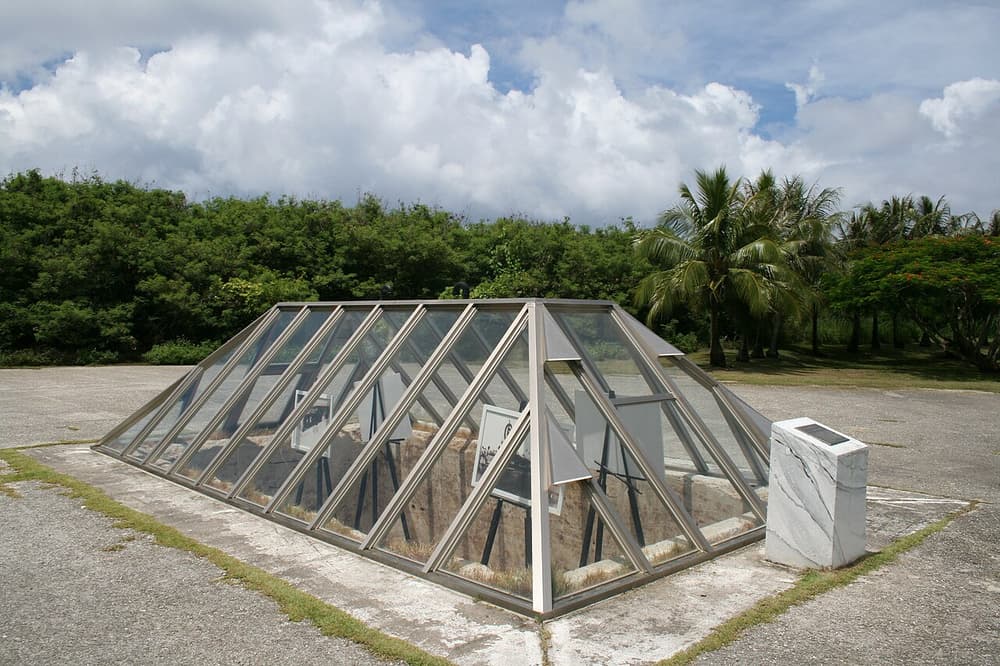
Atomic bomb pits
Two concrete-lined pits beside the North Field aprons, where the bombs known as Little Boy and Fat Man were lowered so that the aircraft could be rolled over them and loaded from below. Each is now covered by a glass-roofed shelter with photographs and short explanations inside. It is a plain, quiet place, and most visitors find it stays with them.
ℹ️ Free, open site with no staff or facilities; part of a National Historic Landmark. Please treat it as a memorial. Bring water and a hat — there is little shade. Allow 20–30 minutes, and see the nearby Japanese air operations building and air-raid shelters as well.
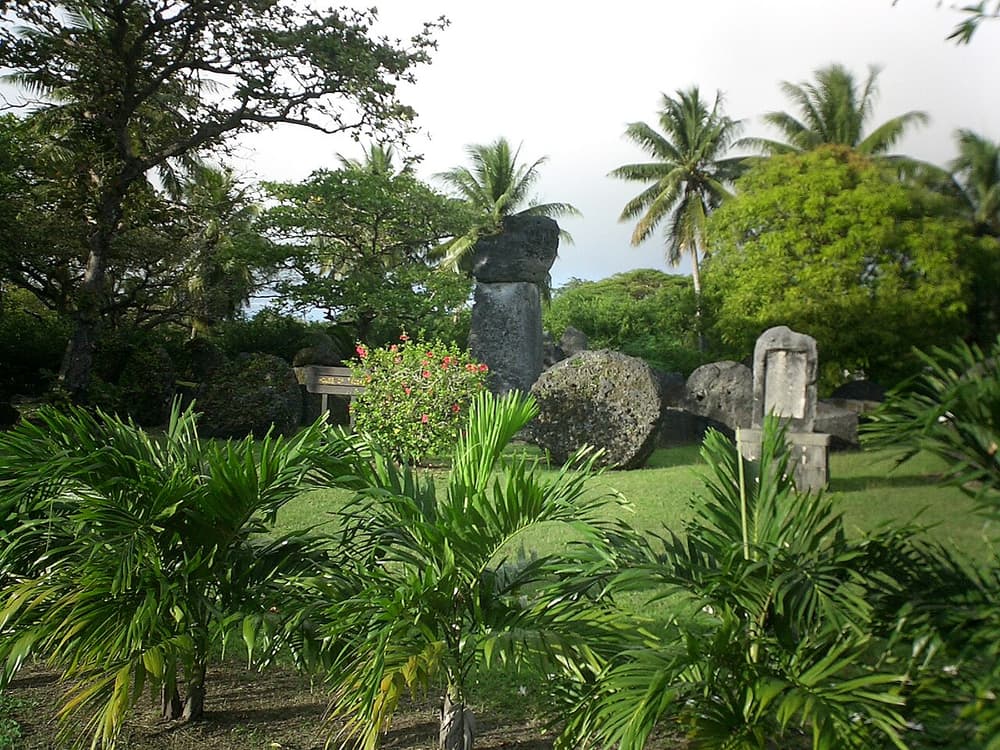
House of Taga
A prehistoric Chamorro latte site in the middle of San Jose, with the largest latte stones ever erected in the Marianas — pillars and capstones together standing roughly four and a half to five metres high. Only one remains upright; the others lie where they fell. Legend makes this the house of Taga, a chief of great strength.
ℹ️ Free, open at all times, a few minutes’ walk from the village centre and the harbour. Do not climb on the stones. Allow 15–20 minutes; more background is on our history and culture page.
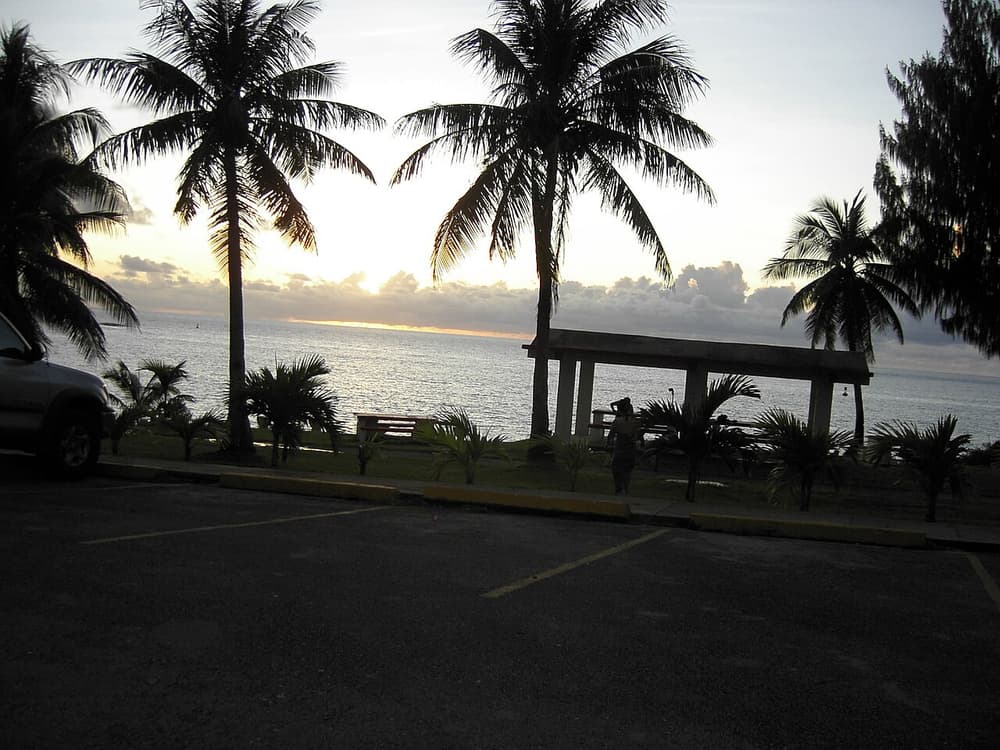
Taga & Tachogna beaches
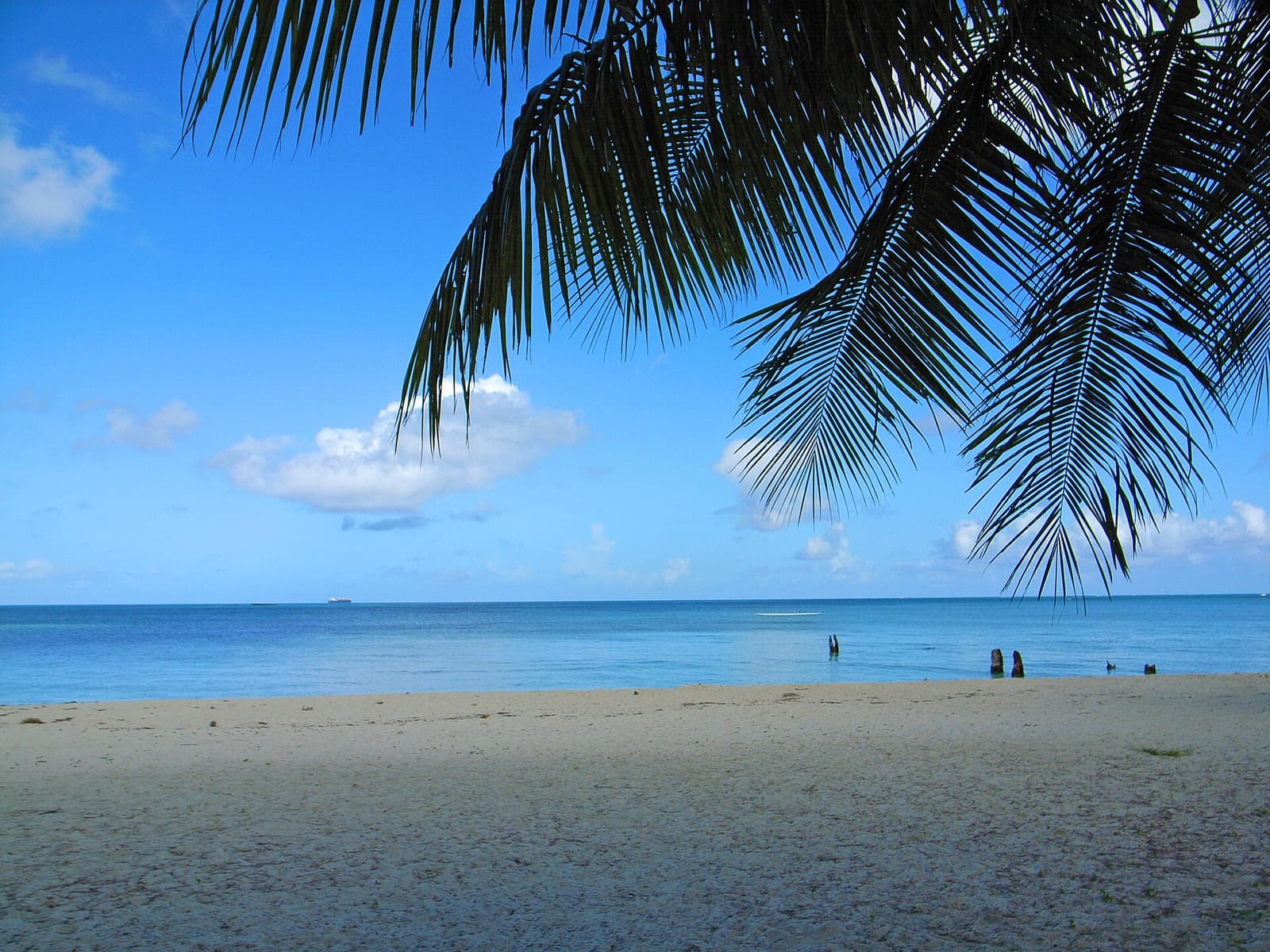
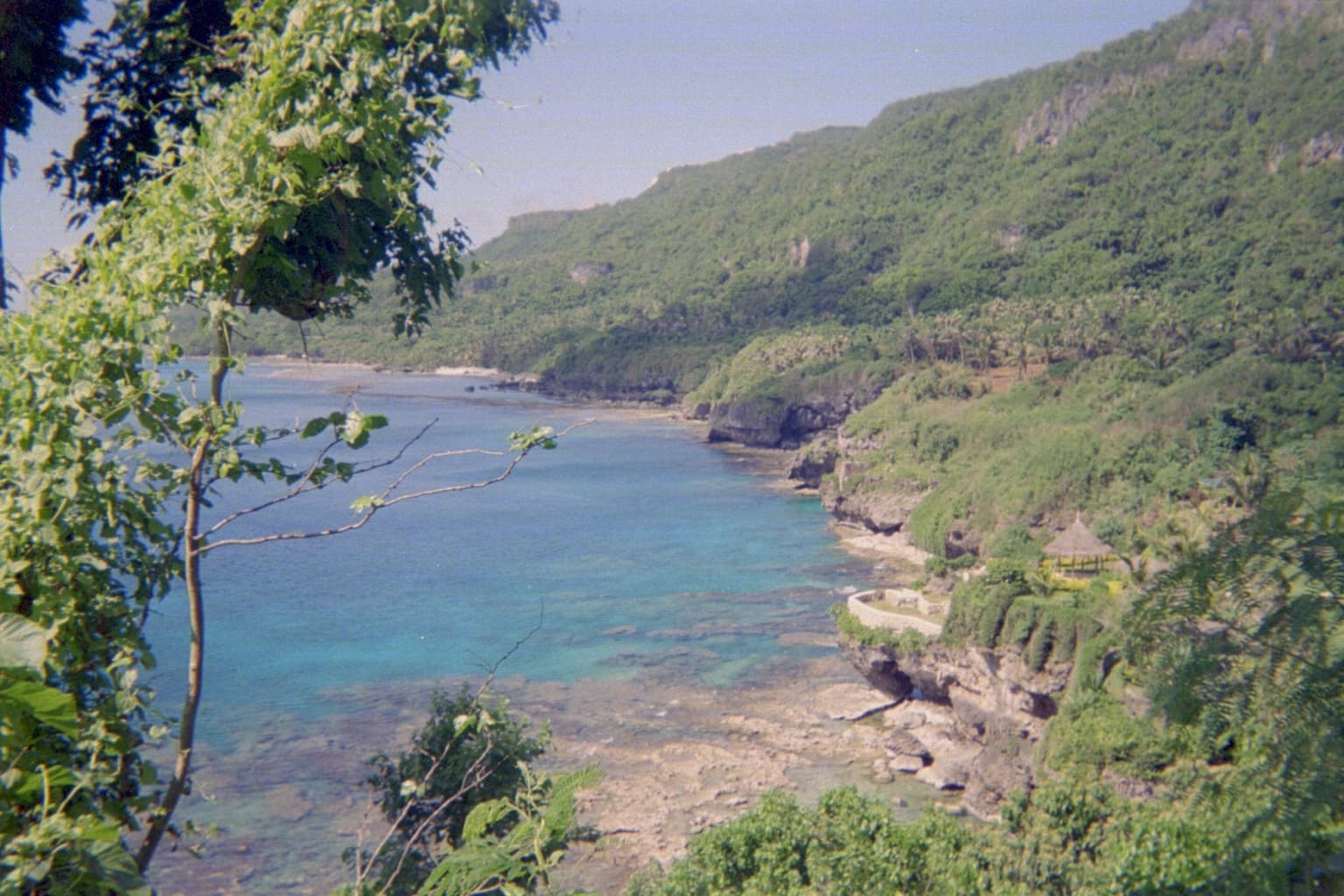
Taga Beach is a pocket of sand in a cove under low limestone cliffs, with steps down and a platform that local children jump from into startlingly blue water. Next door, Tachogna is a longer, gently shelving beach park with picnic shelters and easy snorkelling over sand and coral.
ℹ️ Free; on the southern edge of San Jose. Basic shelters and parking, no lifeguards. Swim only when it is calm and stay close to shore — the channel beyond has strong currents. Good at sunset.
Blow Hole
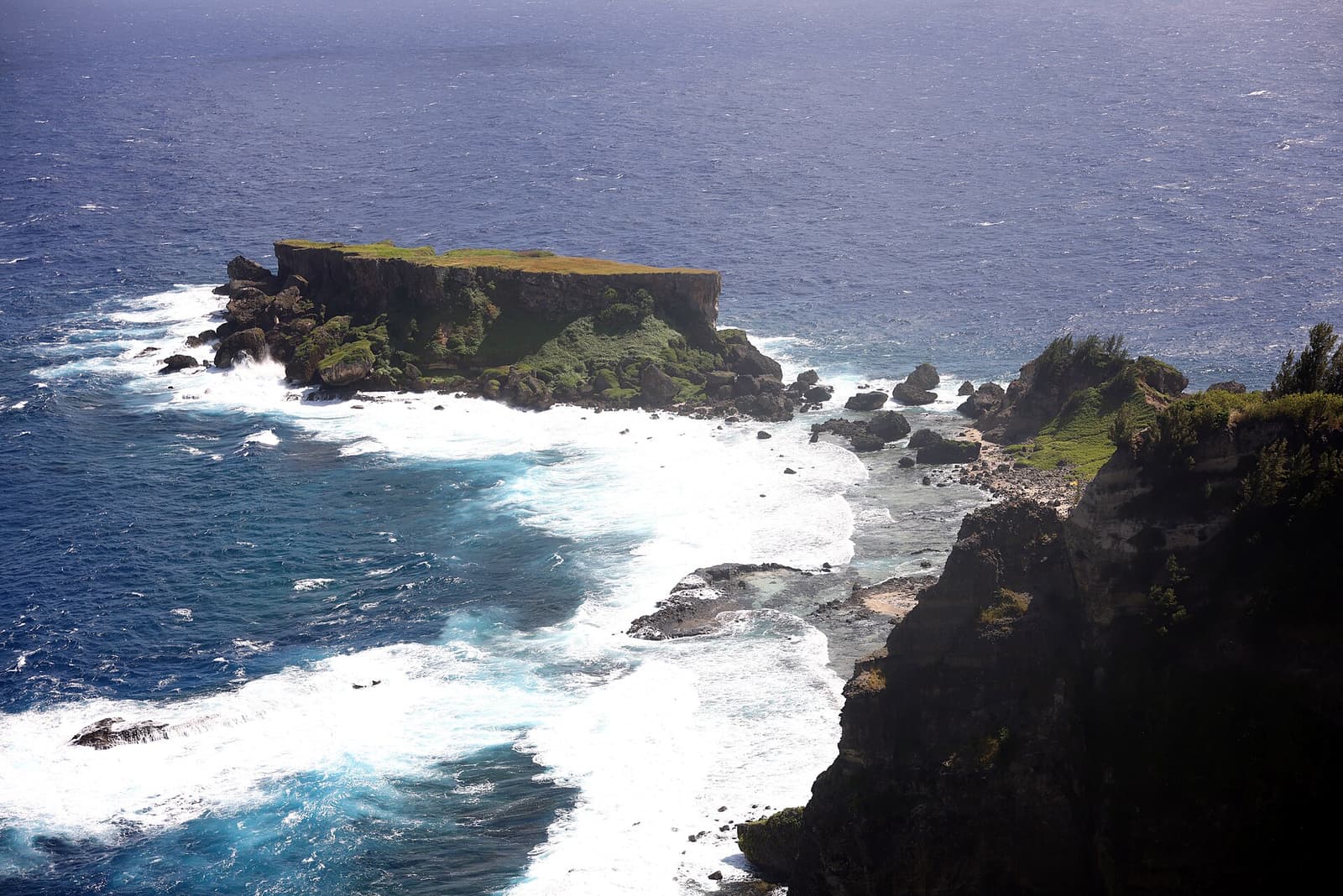
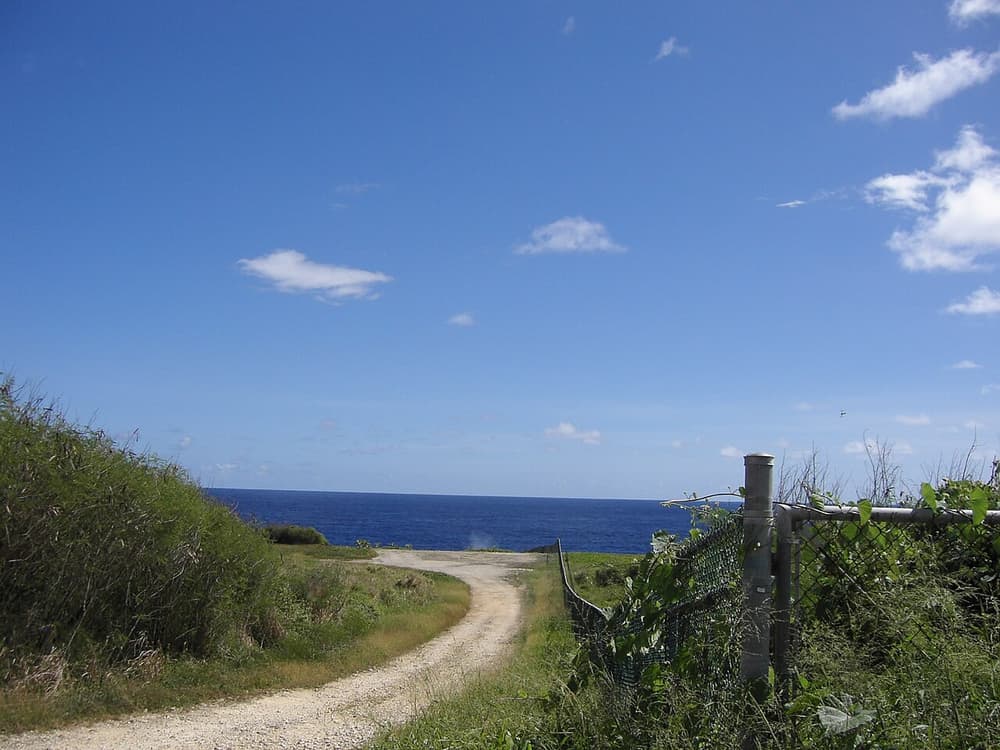
On the north-east coast the swell is forced through a hole in a shelf of jagged limestone and thrown into the air, sometimes several metres high, with a boom you feel in your chest. It is at its most impressive when the sea is rough.
ℹ️ Free; about 25–30 minutes’ drive from San Jose, the last stretch on an old coral road. The rock is razor-sharp and waves can sweep the shelf — wear closed shoes and stay well back from the edge.
Suicide Cliff
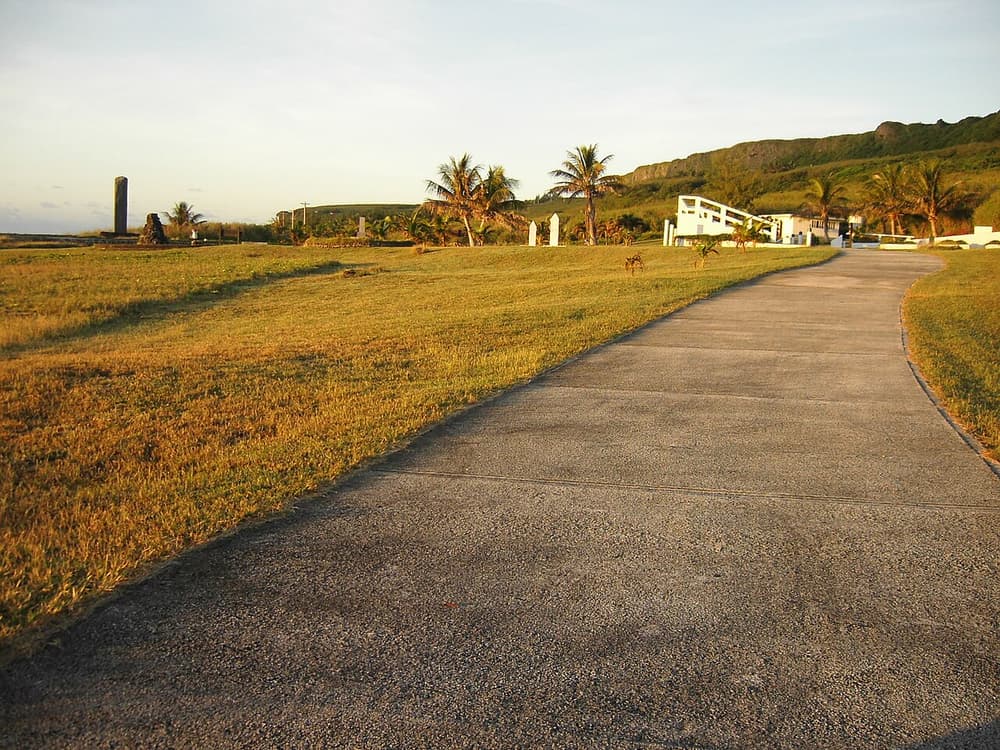
At the island’s southern tip the land rises to the Carolinas plateau and ends in high cliffs. In the last days of the fighting in 1944, Japanese soldiers and civilians died here. Japanese and Okinawan peace memorials stand along the cliff, and the view takes in most of the south coast.
ℹ️ Free, open site about 15 minutes’ drive from San Jose. A place of remembrance: keep voices low and leave offerings undisturbed. No barriers in places — keep away from the edge.
San Jose & Japanese-era ruins
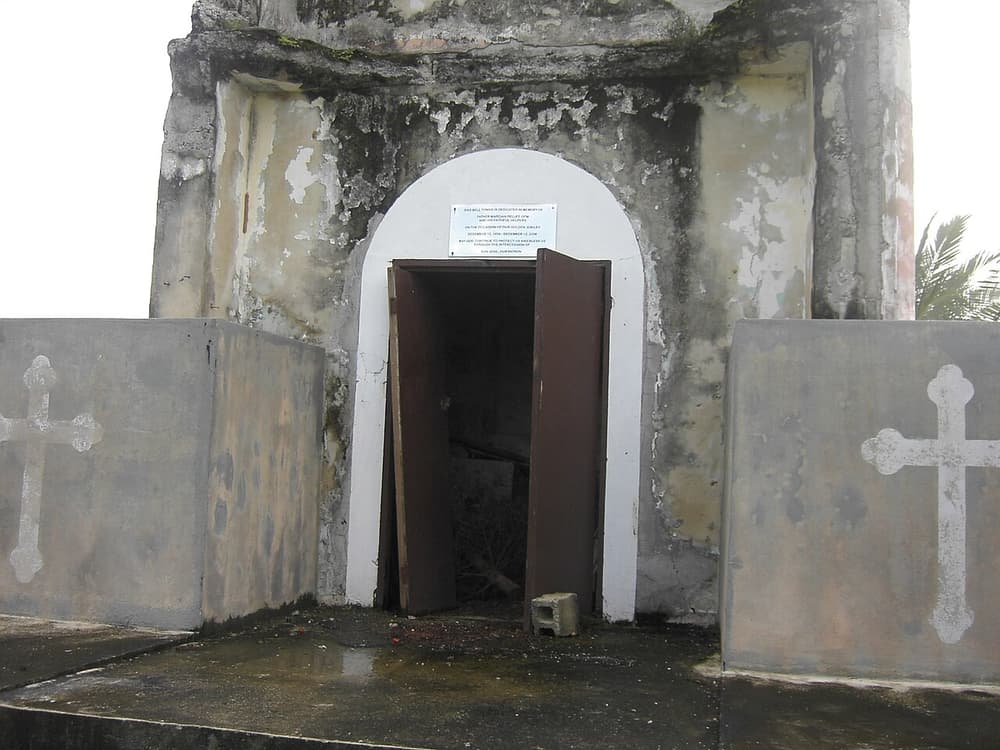
The village holds the bell tower of the old San Jose church, which survived the war, along with reminders of the years when Tinian was a Japanese sugar island: the shell of the Nan’yo Kohatsu company building and the remains of a Shinto shrine. There is also a Korean memorial, and the shuttered Tinian Dynasty hotel on the edge of the village.
ℹ️ Free to walk around at any time; allow an hour. The village has the island’s shops, fuel and places to eat — opening hours are short, so do not leave lunch too late.