Tumon & Tamuning
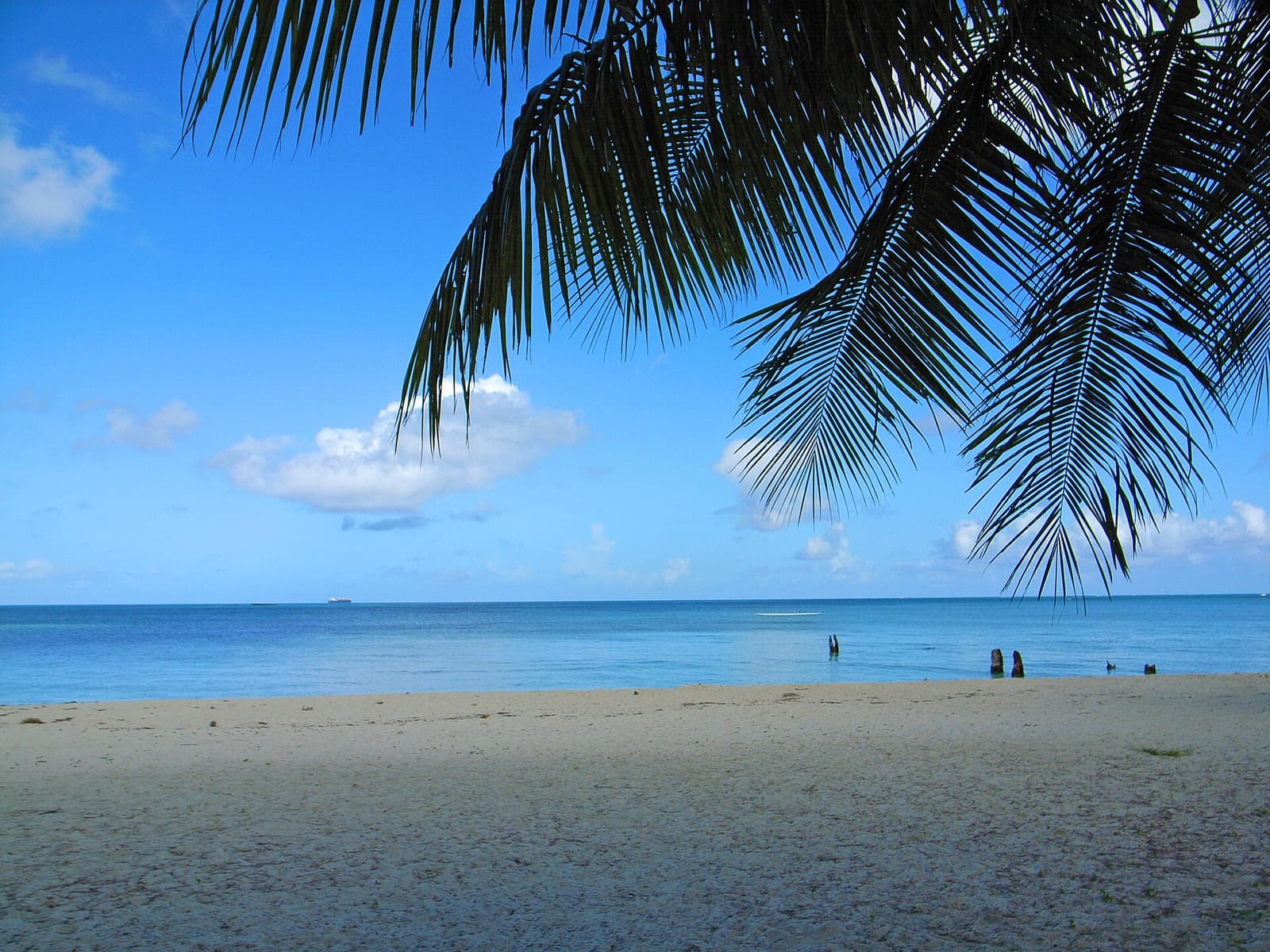
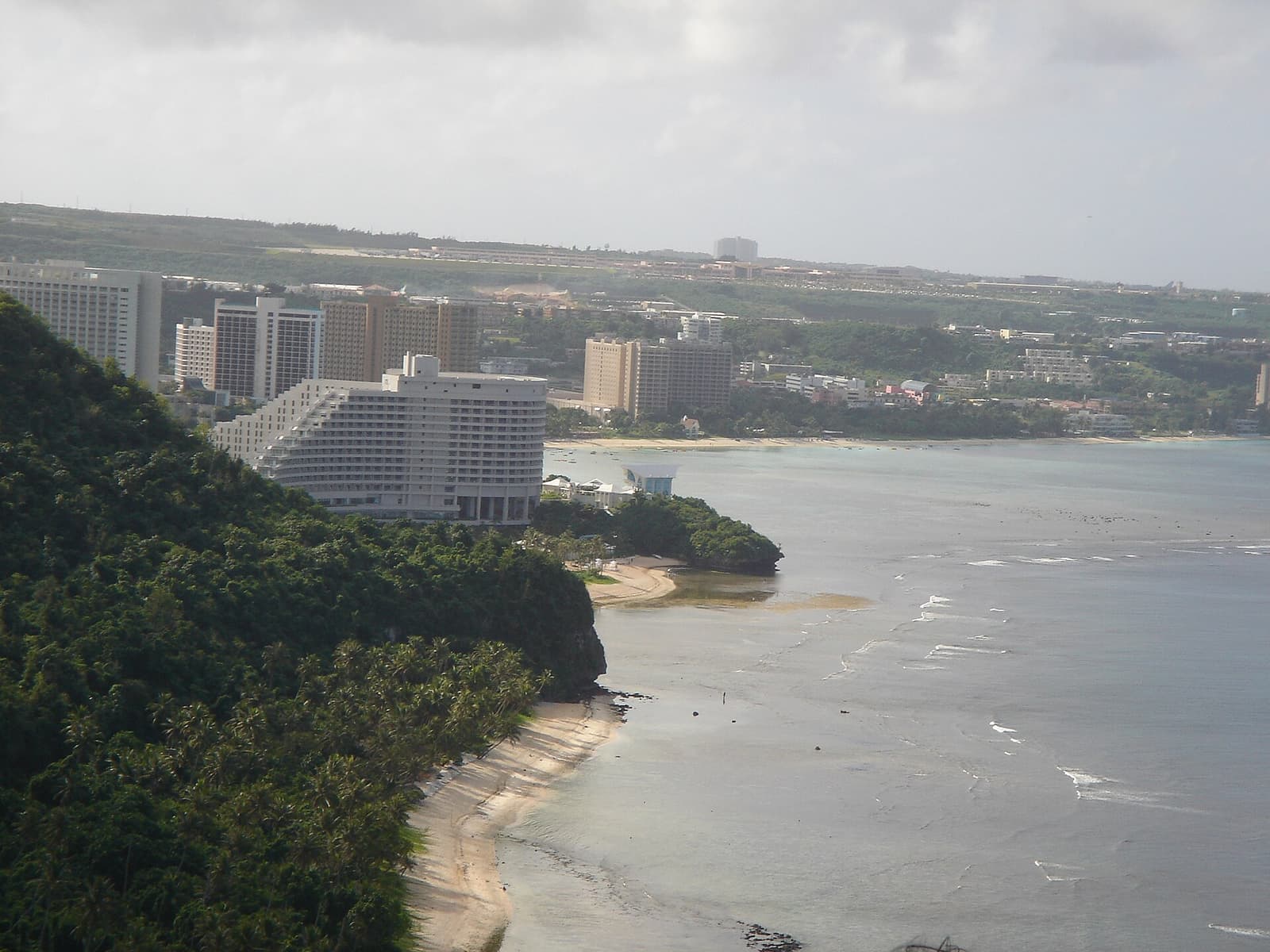
Guam’s resort bay: a reef-calm lagoon, a mile of hotels, duty-free shopping and the island’s dinner shows.
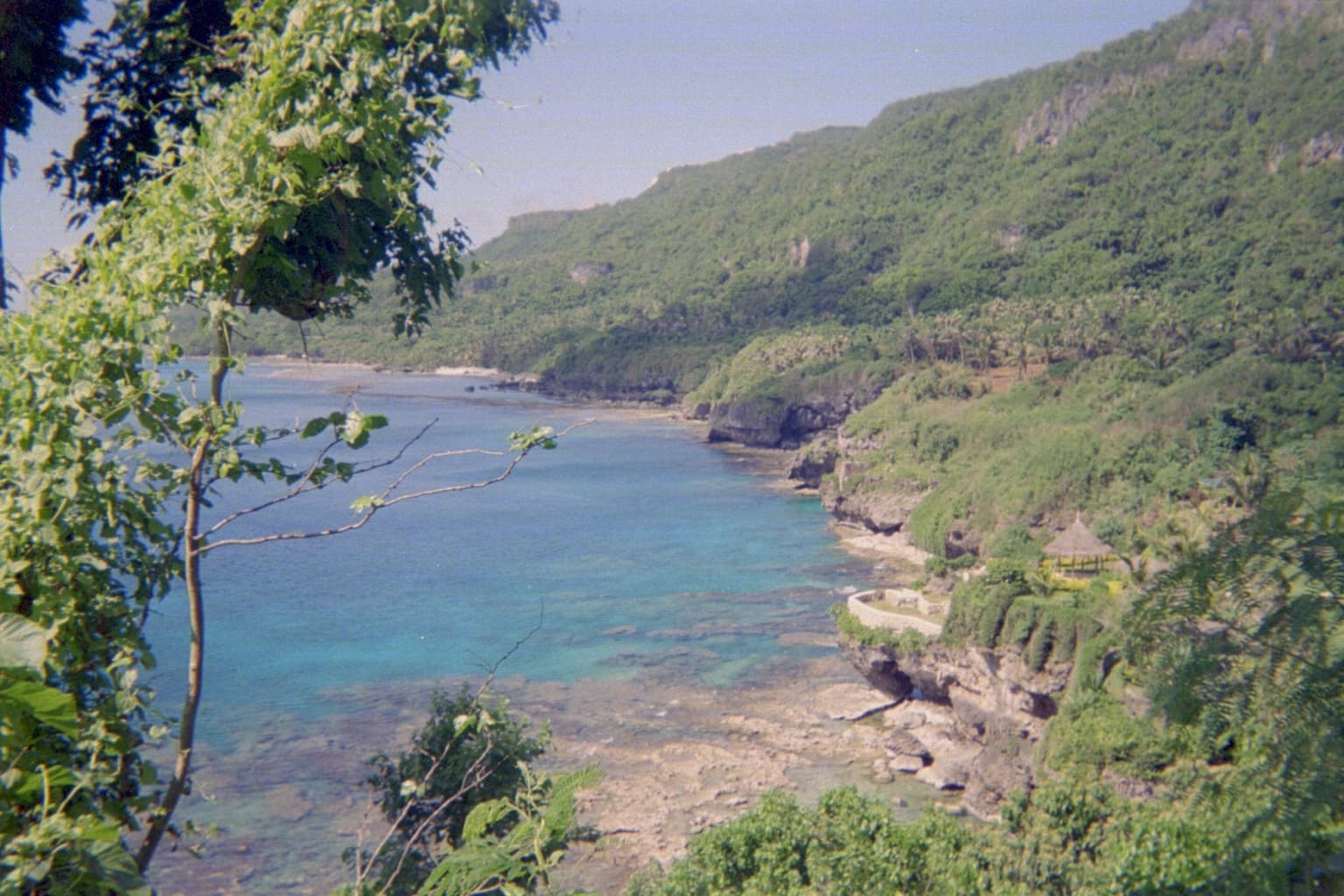
Fifteen volcanic and coral islands strung across the western Pacific: reef-calm lagoons, limestone cliffs, a Chamorro culture thousands of years old and some of the most important battlefields of the Second World War — about four hours’ flight from Seoul or Tokyo.
The Mariana Islands are a single crescent-shaped archipelago, but politically they are two places. Guam, the largest and southernmost island, is a United States territory with a busy resort bay at Tumon, a small historic capital at Hagåtña and a rural, hilly south. The fourteen islands to its north form the Commonwealth of the Northern Mariana Islands (CNMI): lively Saipan with its lagoon and Managaha Island, quiet Tinian and Rota, and a line of uninhabited volcanoes stretching towards Japan.
People come for warm, clear water all year, for easy beach holidays with good hotels, and — increasingly — for what lies behind the beaches: latte-stone villages, Spanish forts, Japanese sugar-era relics, and the cliffs, bunkers and airfields of 1944–45. This site gives each main island and district its own guide, tells you plainly what can and cannot be booked online, and explains the awkward bits — entry rules that differ between Guam and the CNMI, and the small planes that link the islands.
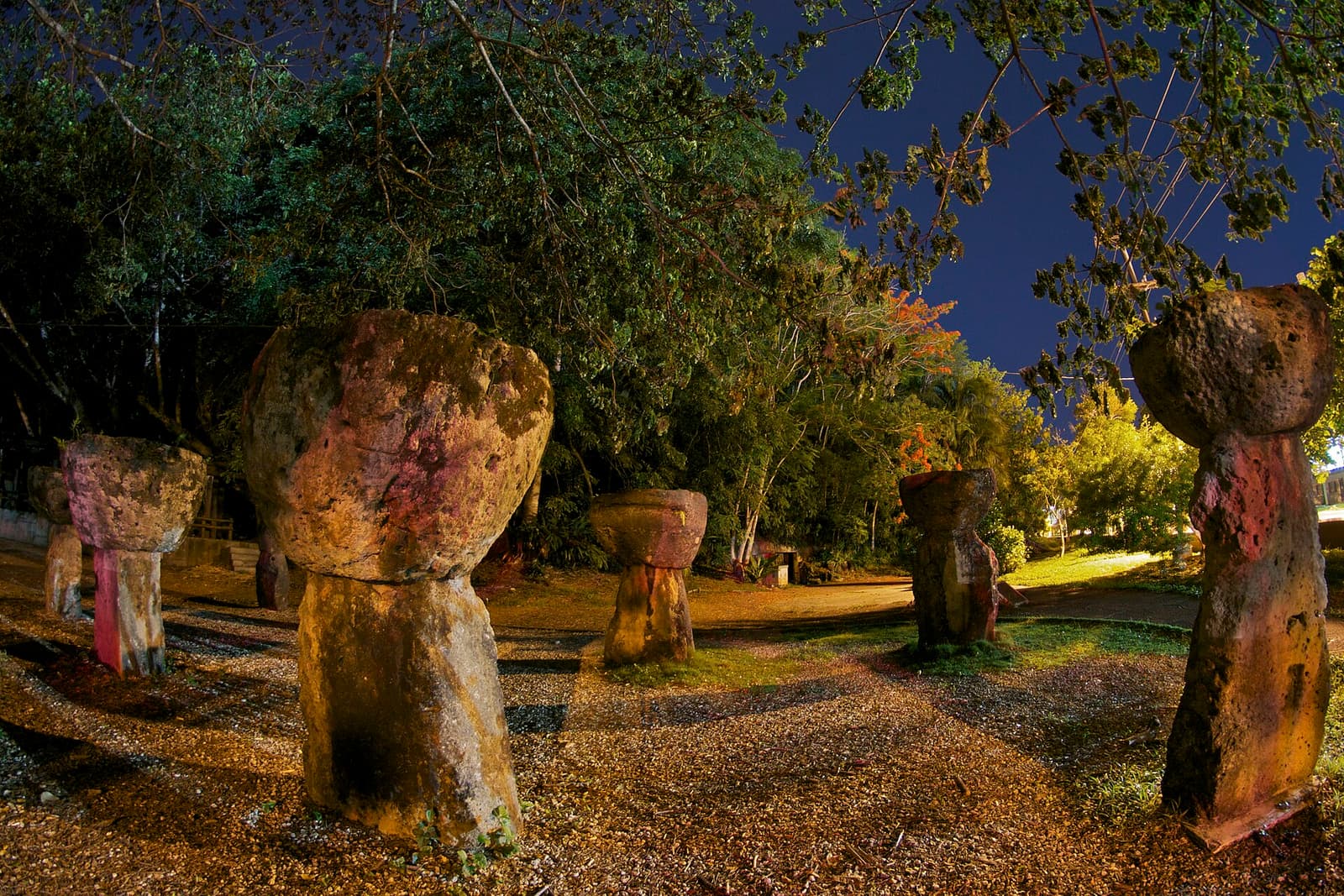
Four districts of Guam, four of Saipan, then Tinian, Rota and the far Northern Islands — each with its own tours, sights, transport, travel guide and seasons pages.
Guam’s resort bay: a reef-calm lagoon, a mile of hotels, duty-free shopping and the island’s dinner shows.
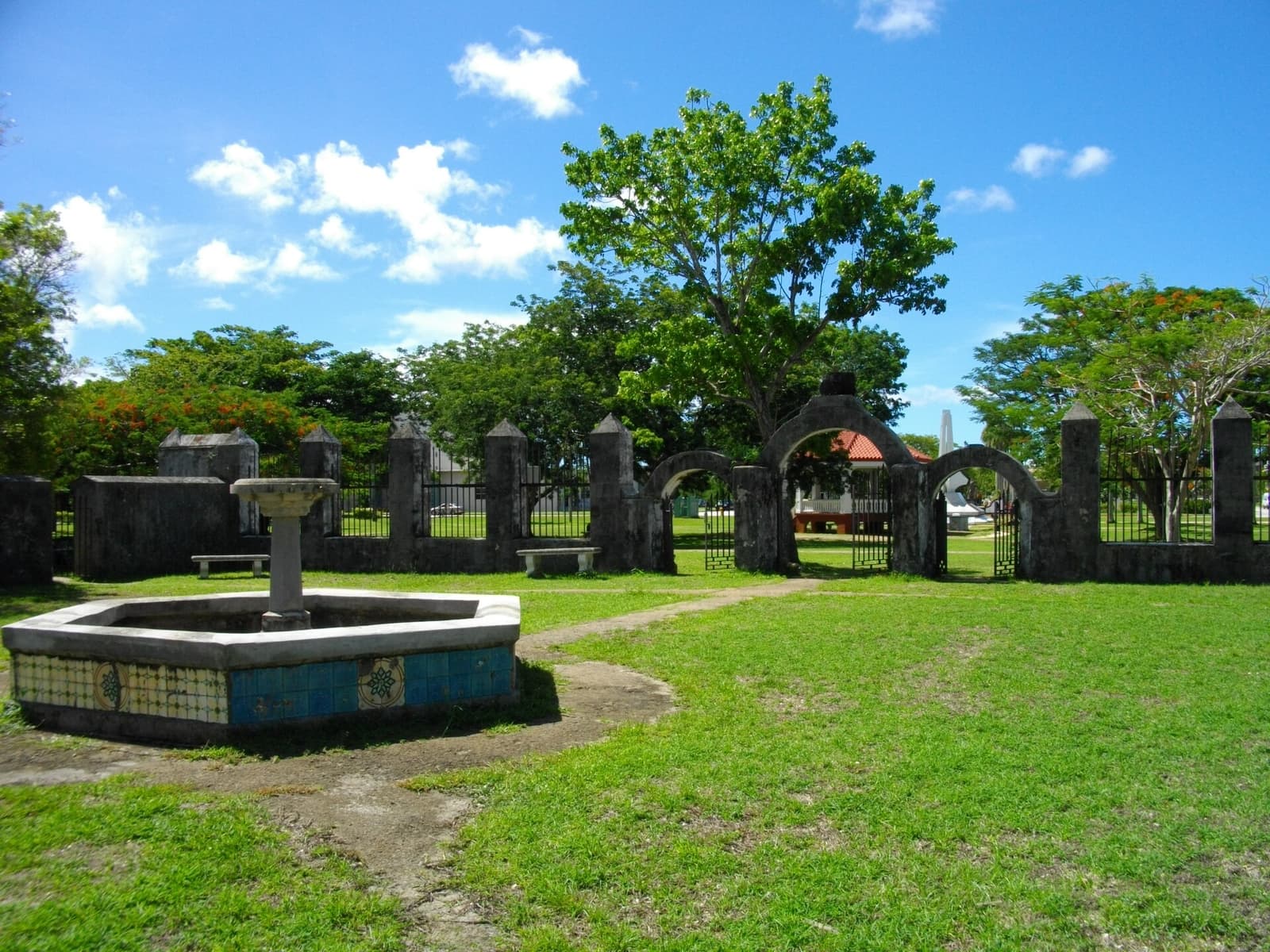
Guam’s pocket-sized capital and its war-scarred central coast: Spanish plazas, latte stones, landing beaches and the reef at Piti.
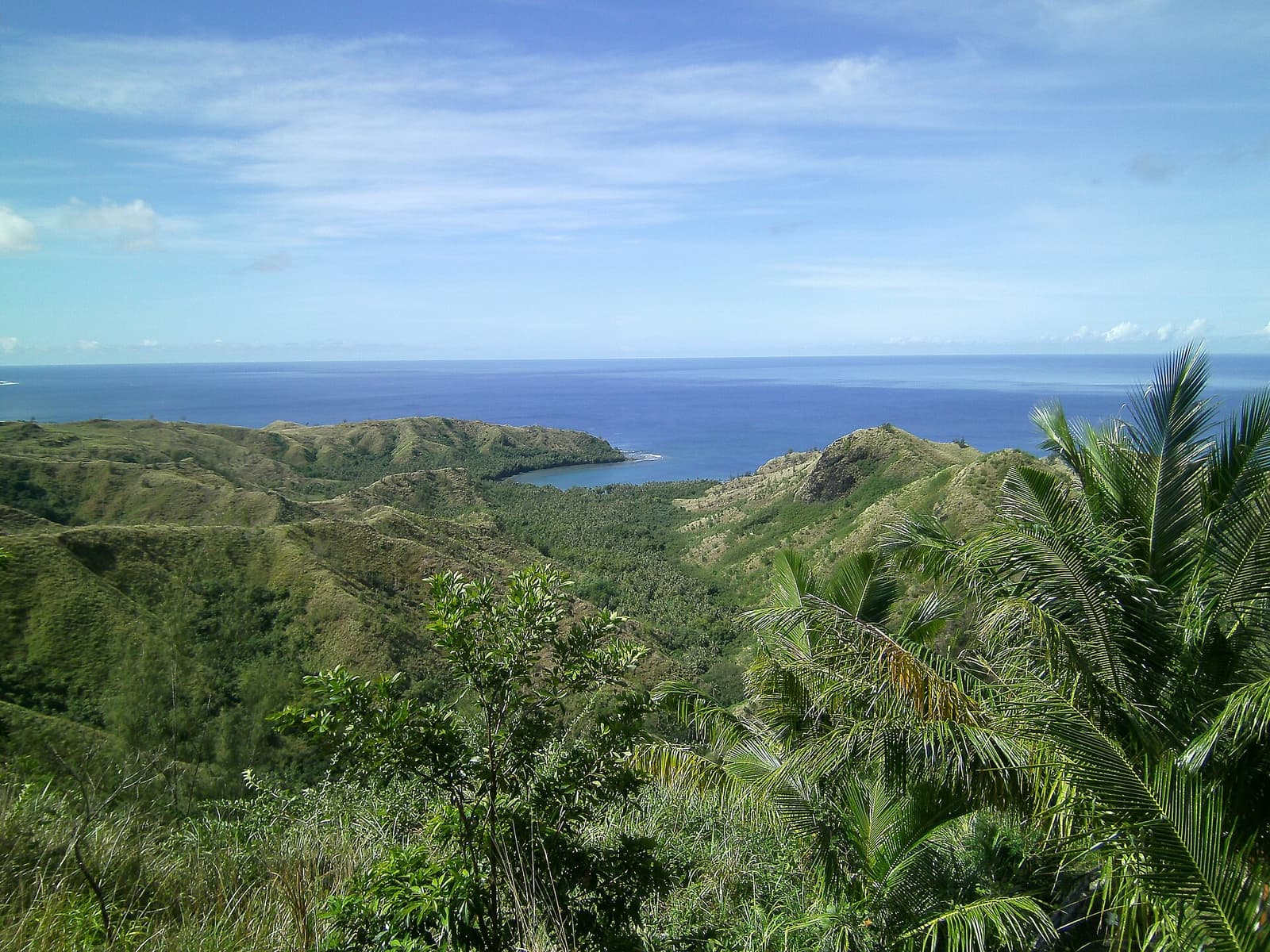
The other Guam: volcanic hills, Spanish-era villages, waterfalls and quiet bays on a classic one-day loop drive.
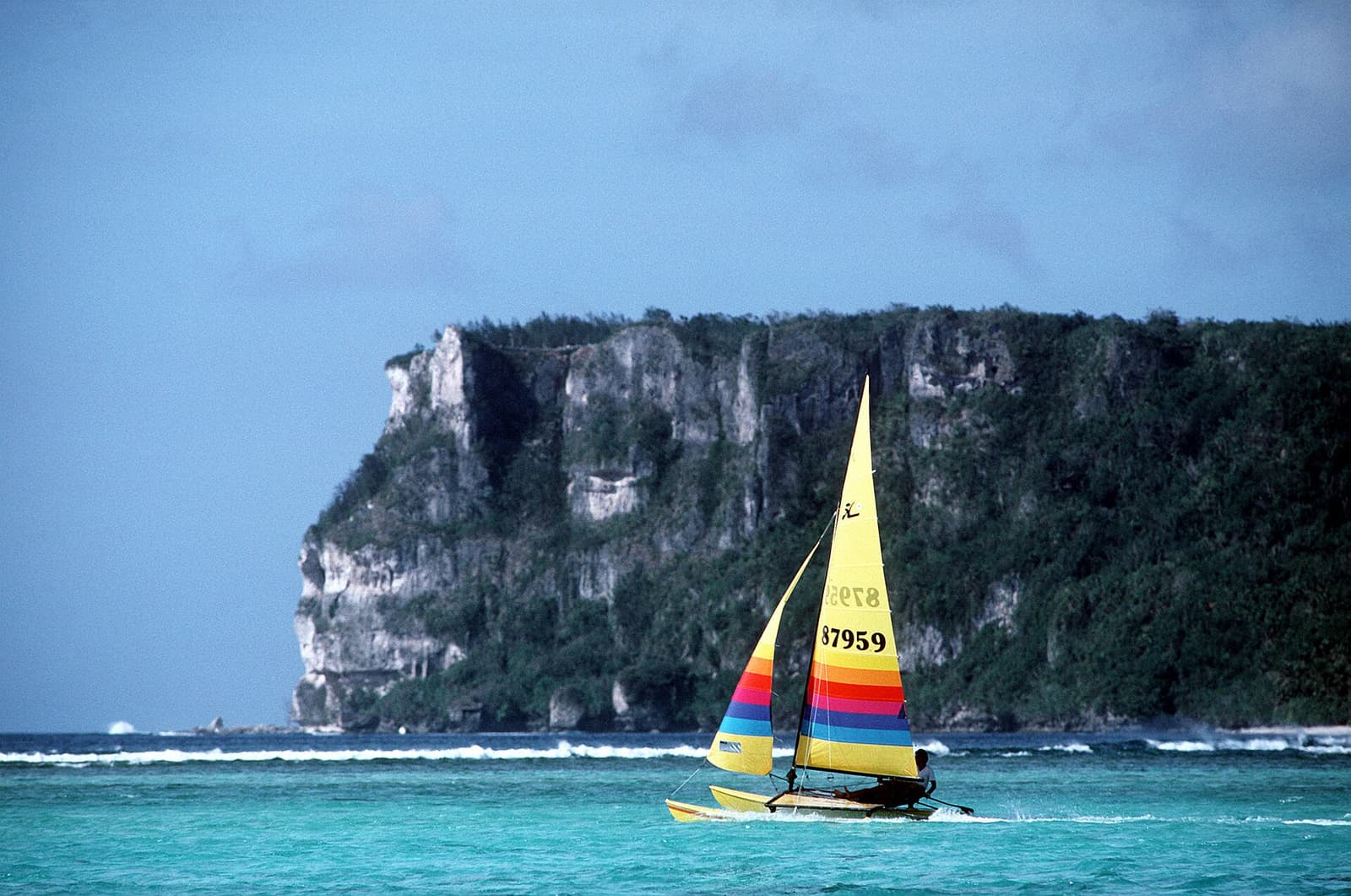
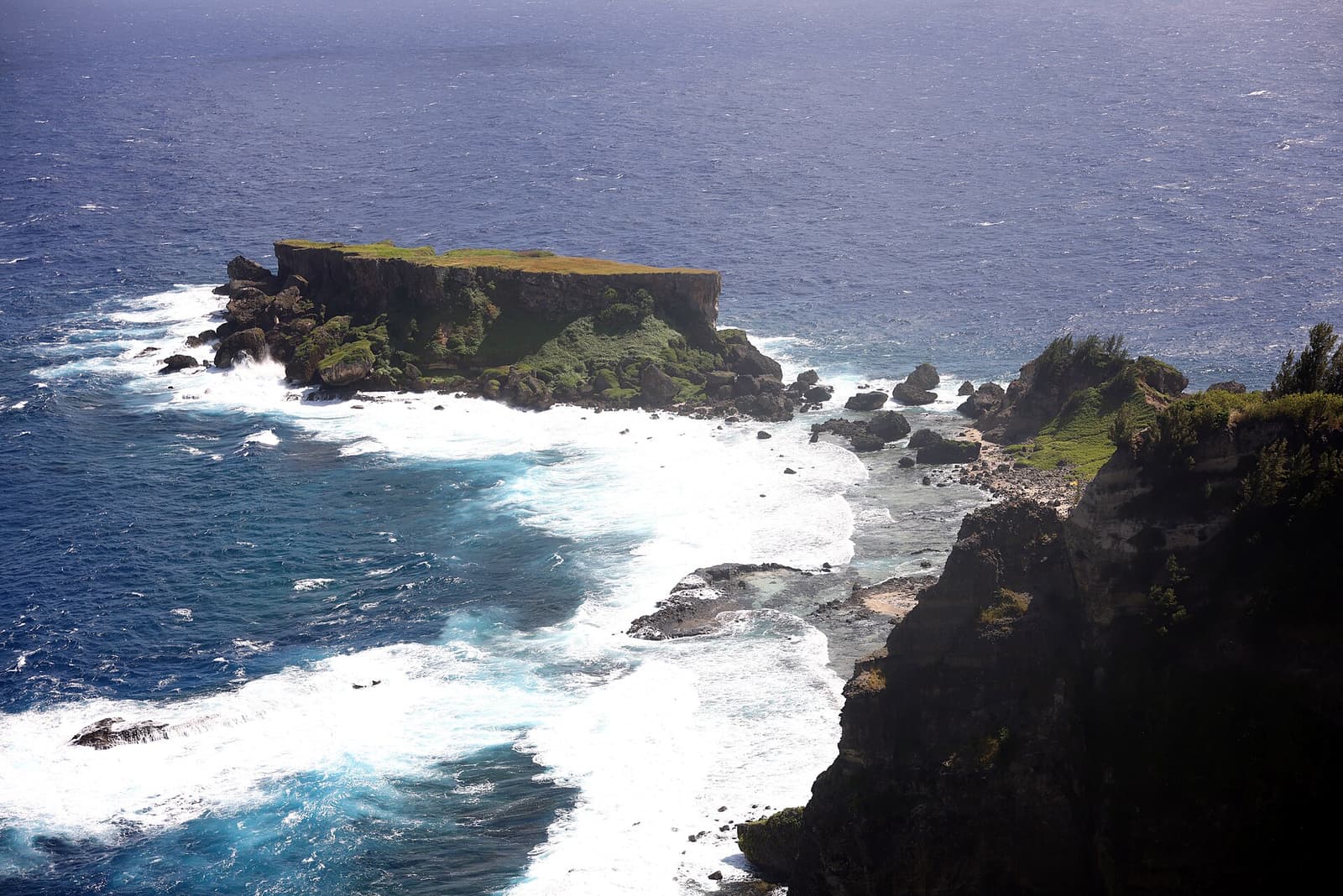
A limestone plateau ending in cliffs: the famous view from Two Lovers Point, the wild beach at Ritidian and trails to caves and ancient villages.
Saipan’s lagoon coast: the hotel and restaurant district of Garapan, a sunset town beach, and the 1944 landing beaches along Beach Road.
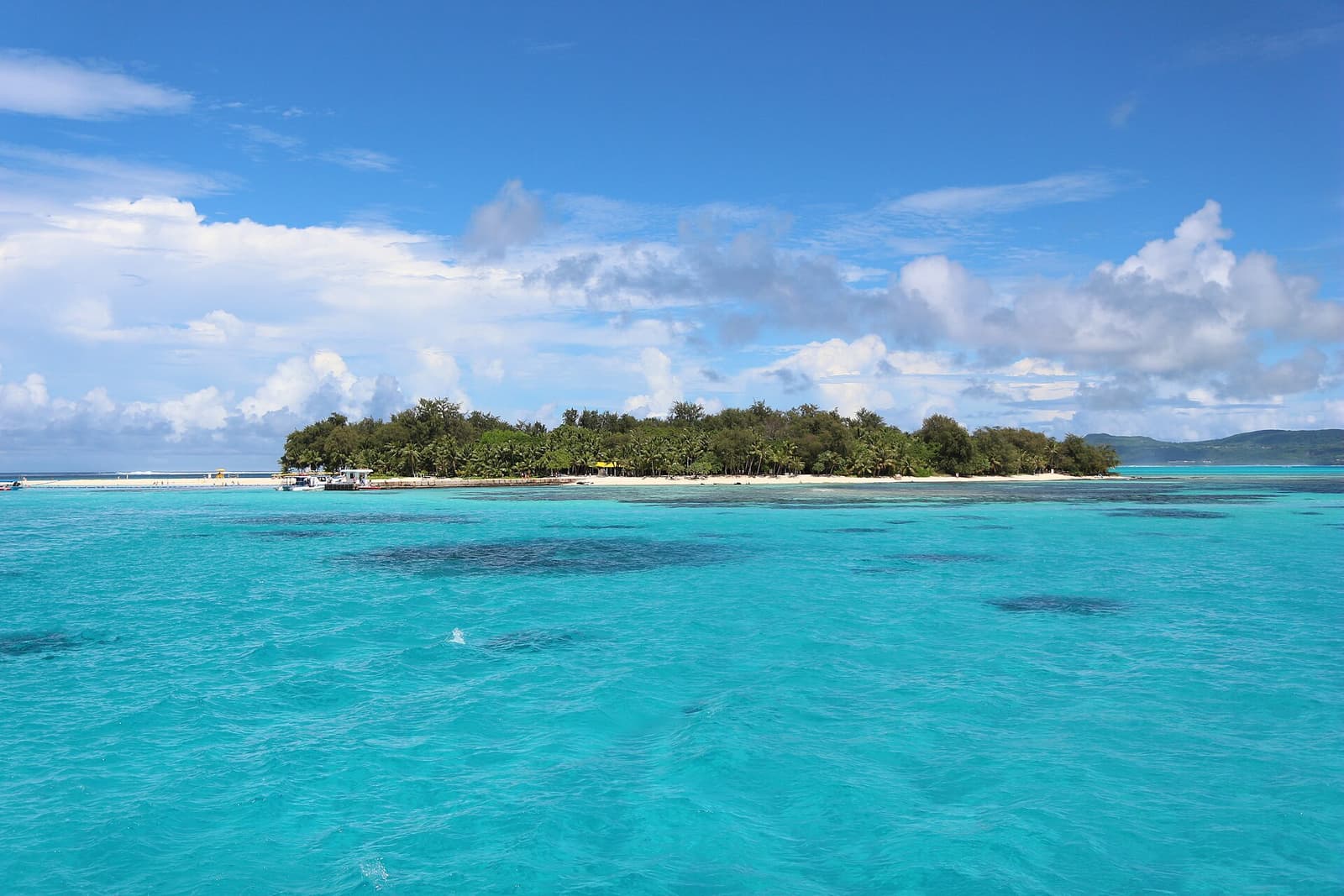
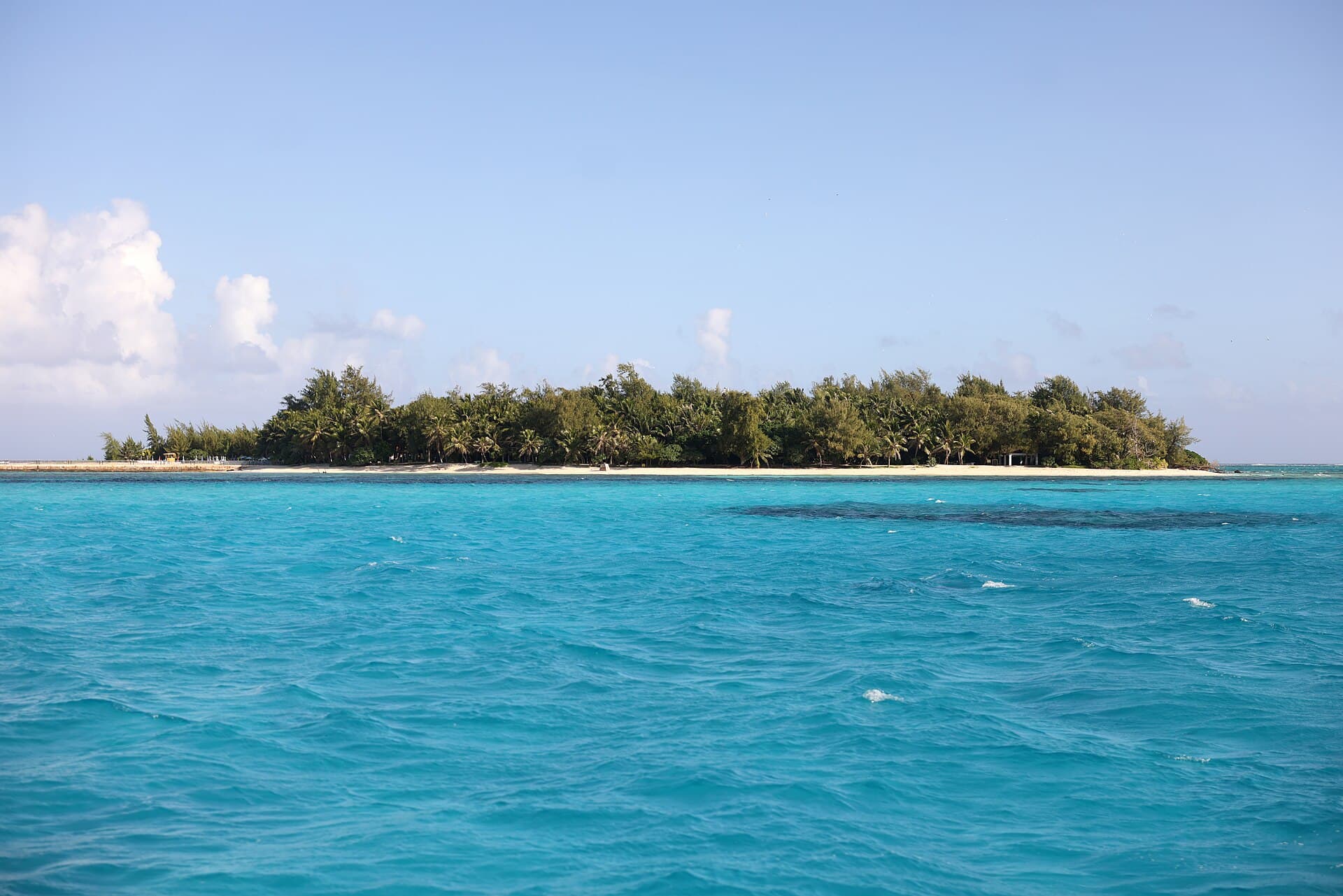
A tiny sand cay in Saipan’s lagoon: a ten-minute boat ride to white beach, reef snorkelling and the grave of a Carolinian chief.
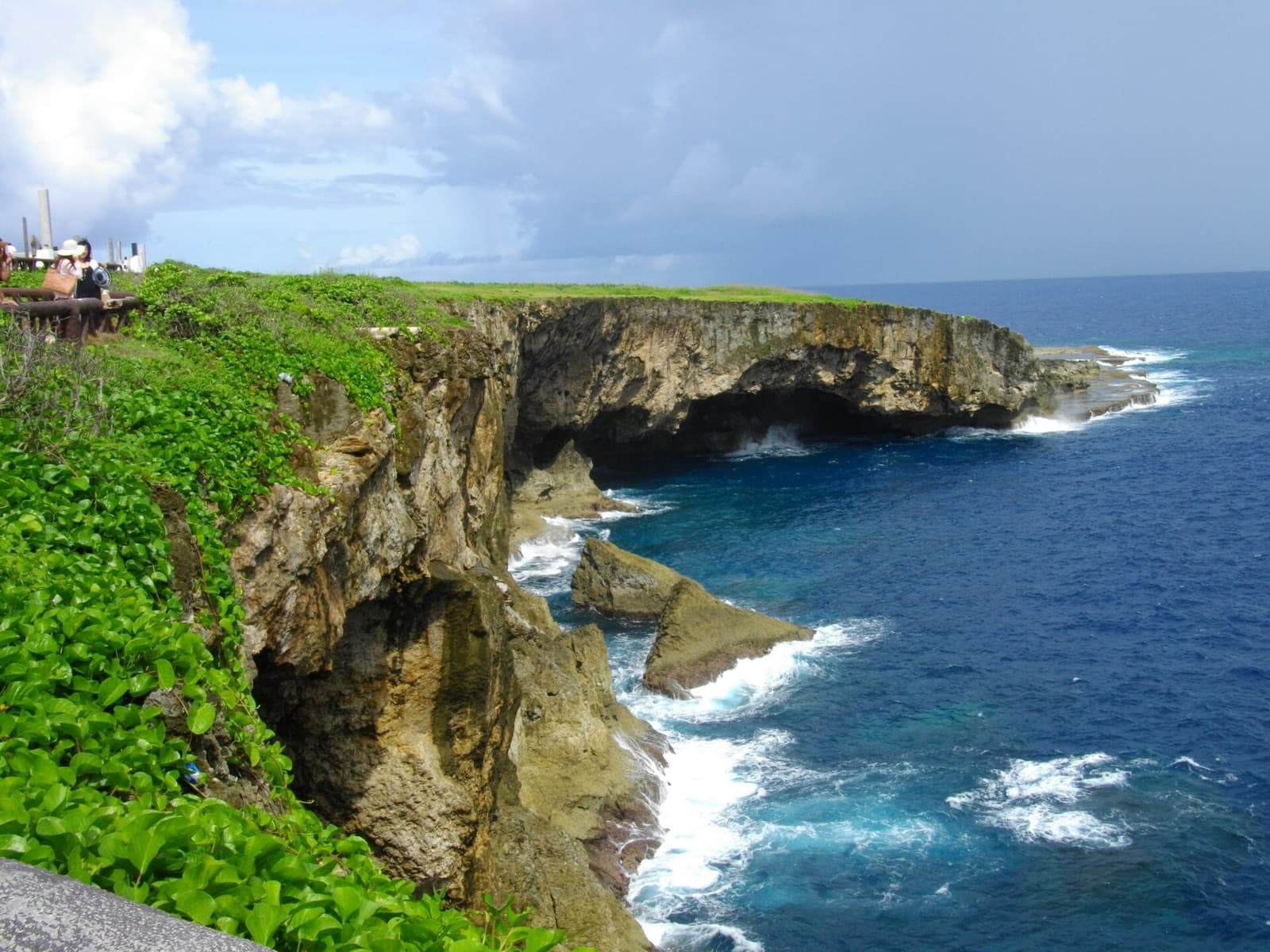
Marpi’s cliffs and memorials, the deep blue pool of the Grotto, Bird Island and the quiet beaches of San Roque.
Saipan’s summit, its wild ocean coast and the quiet southern beaches that look across the channel to Tinian.
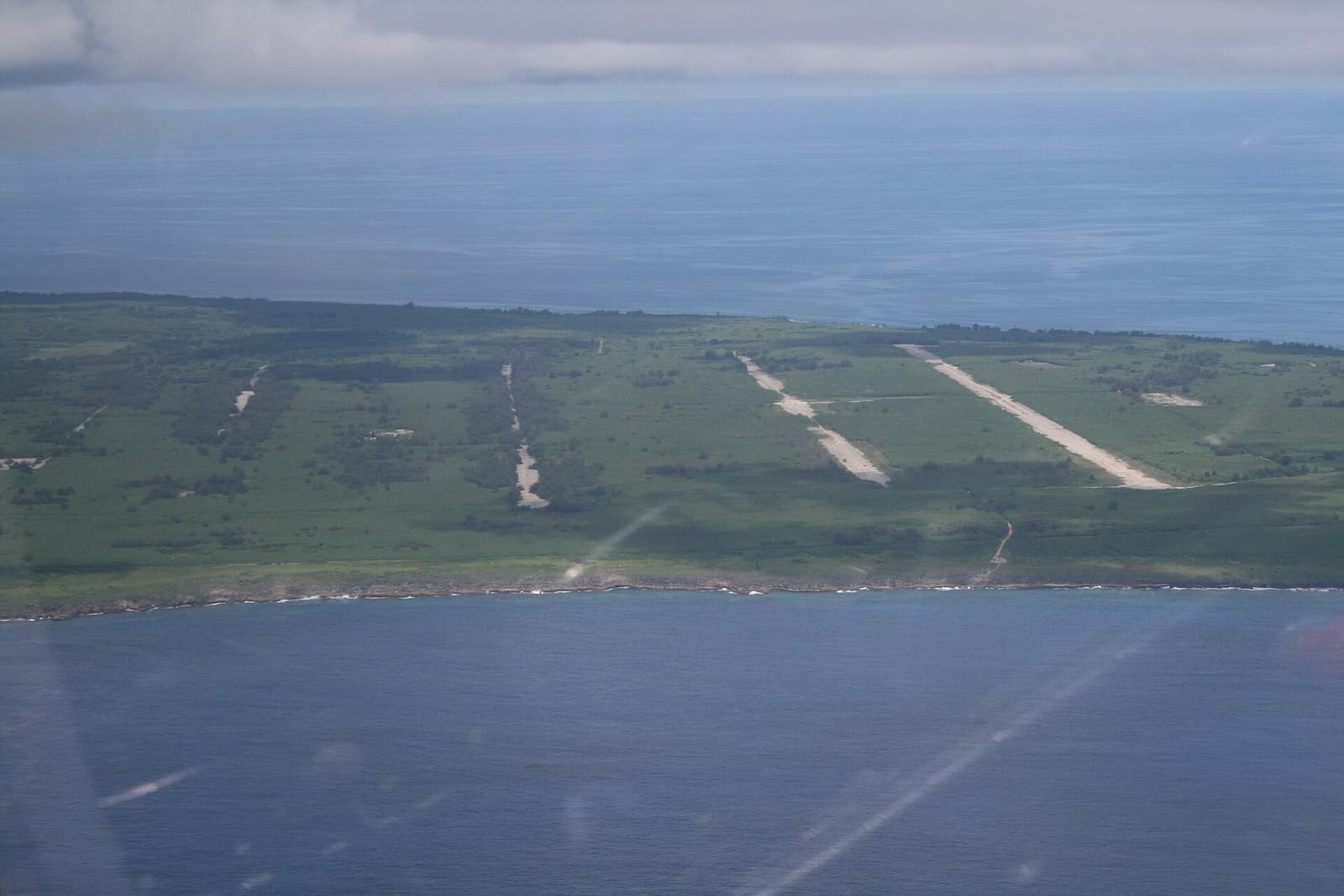
A quiet island of empty wartime runways, giant latte stones and turquoise coves, a ten-minute flight from Saipan.
The “friendly island” between Guam and Tinian: one village on an isthmus, seabird cliffs, an ancient latte quarry and very clear water.
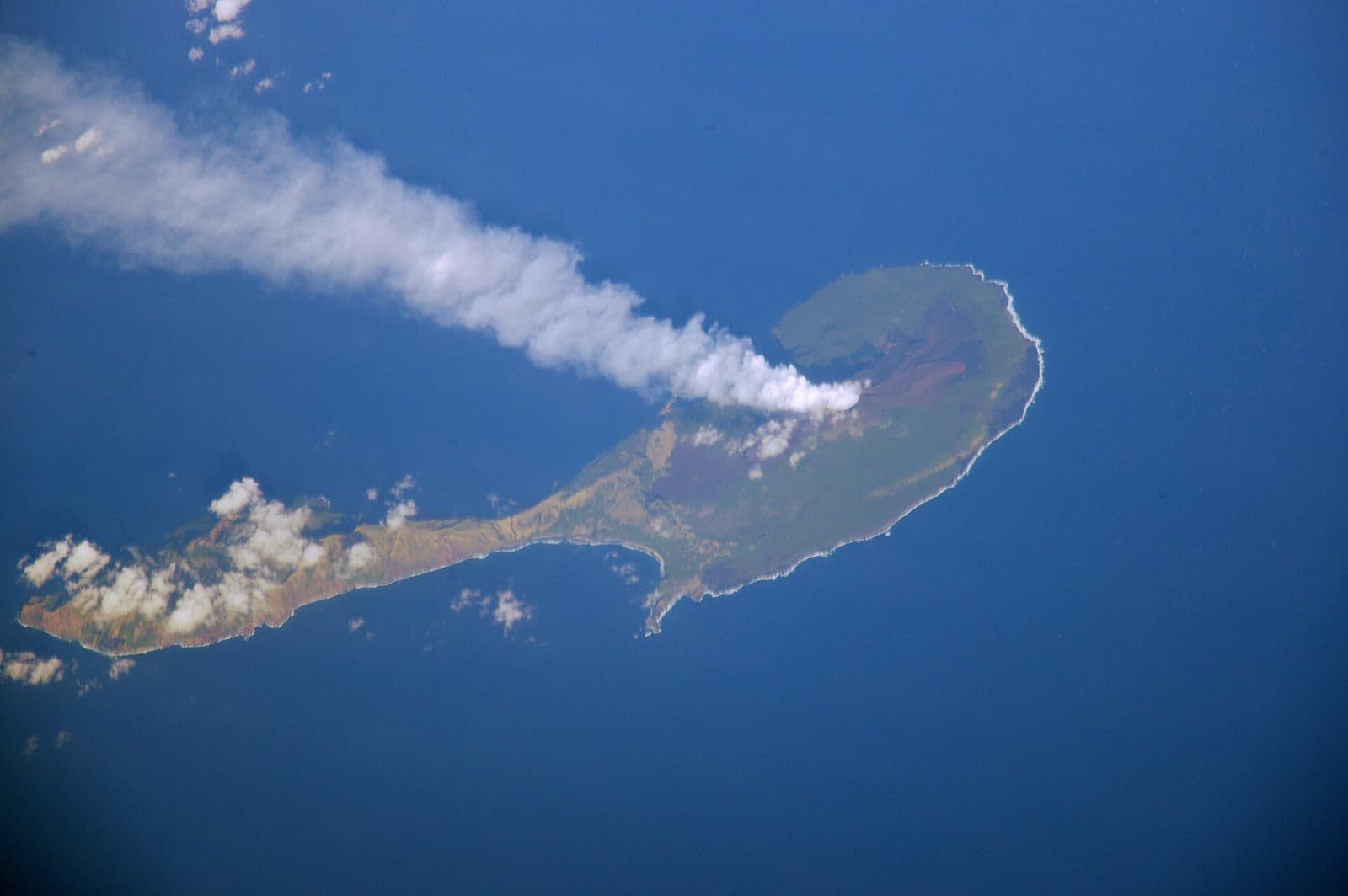
A chain of smoking volcanoes and the deepest ocean on Earth — real, remarkable, and for almost everyone a place to read about rather than visit.
Six experiences that explain why people fly out here — and where on the islands to find them.
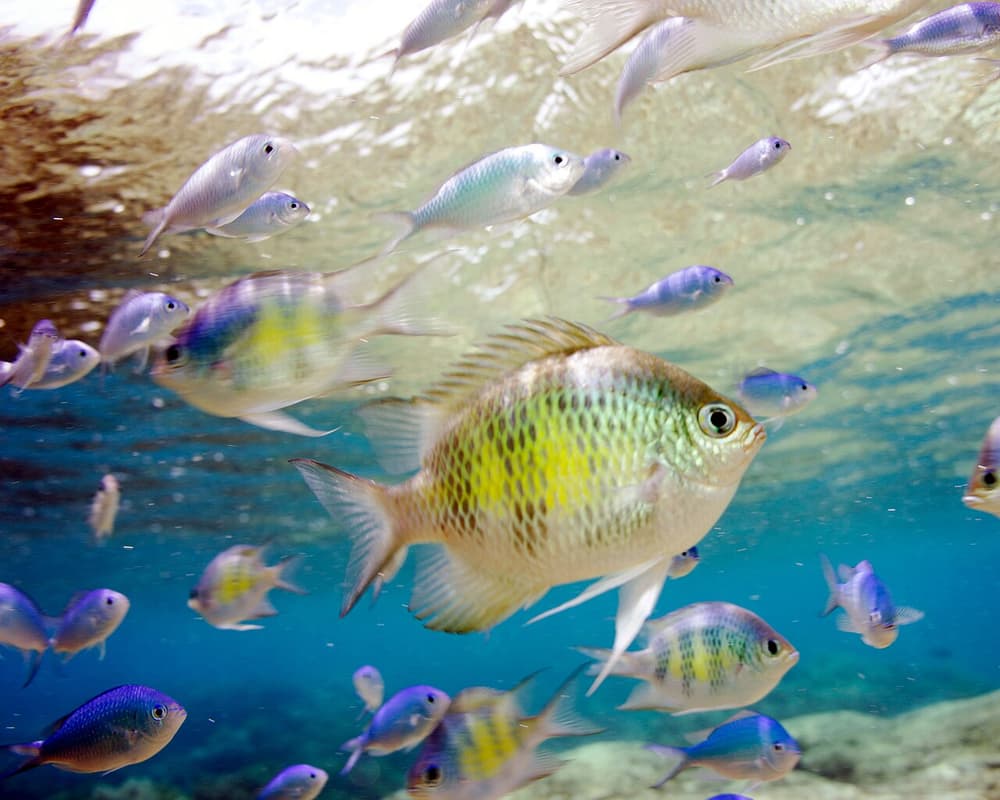
Step off the sand into Tumon Bay or Piti’s Bomb Holes on Guam and you are among parrotfish and coral within a minute. Guided snorkelling is one of the few things bookable online.
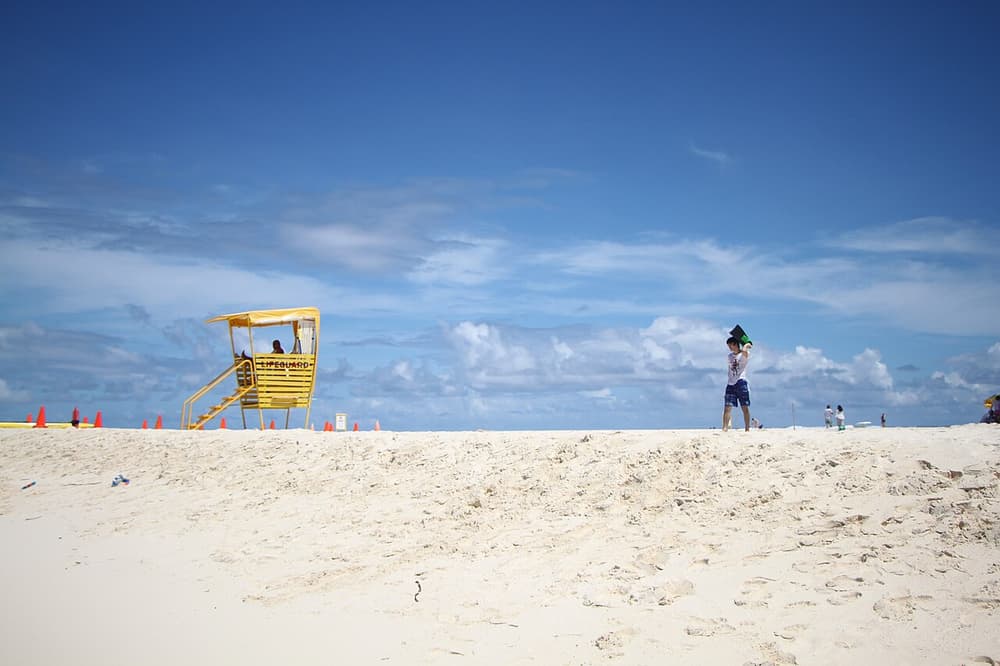
Fifteen minutes by boat from Garapan, Saipan’s tiny sand cay has the lagoon’s whitest beach, a roped swimming area and reef fish in waist-deep water.
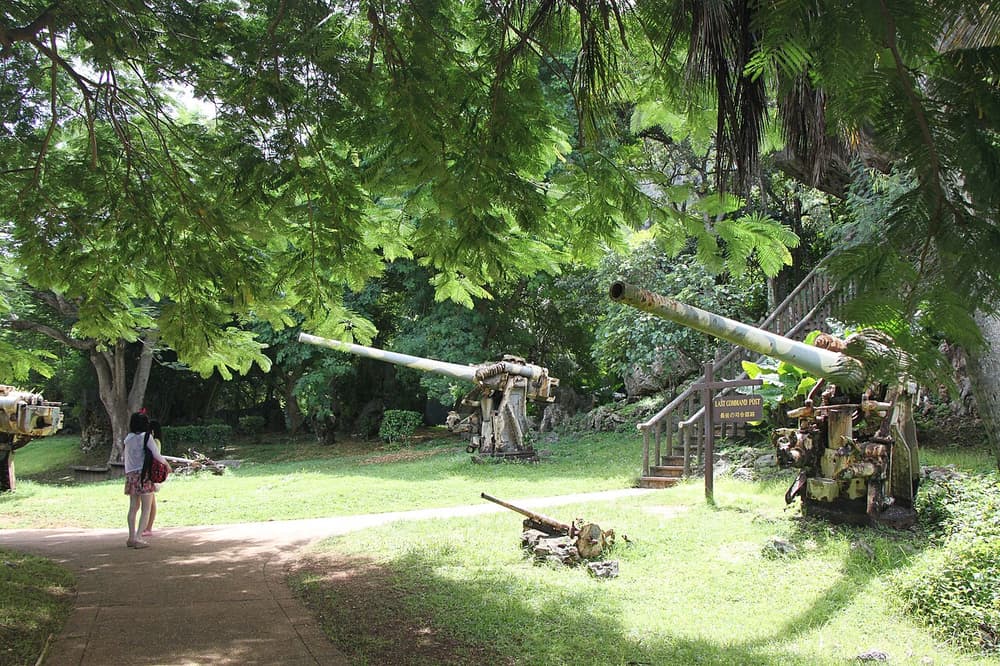
From Asan Beach on Guam to Banzai Cliff and the Last Command Post on Saipan, the Pacific War is written into the landscape. Our history guide explains what you are looking at.
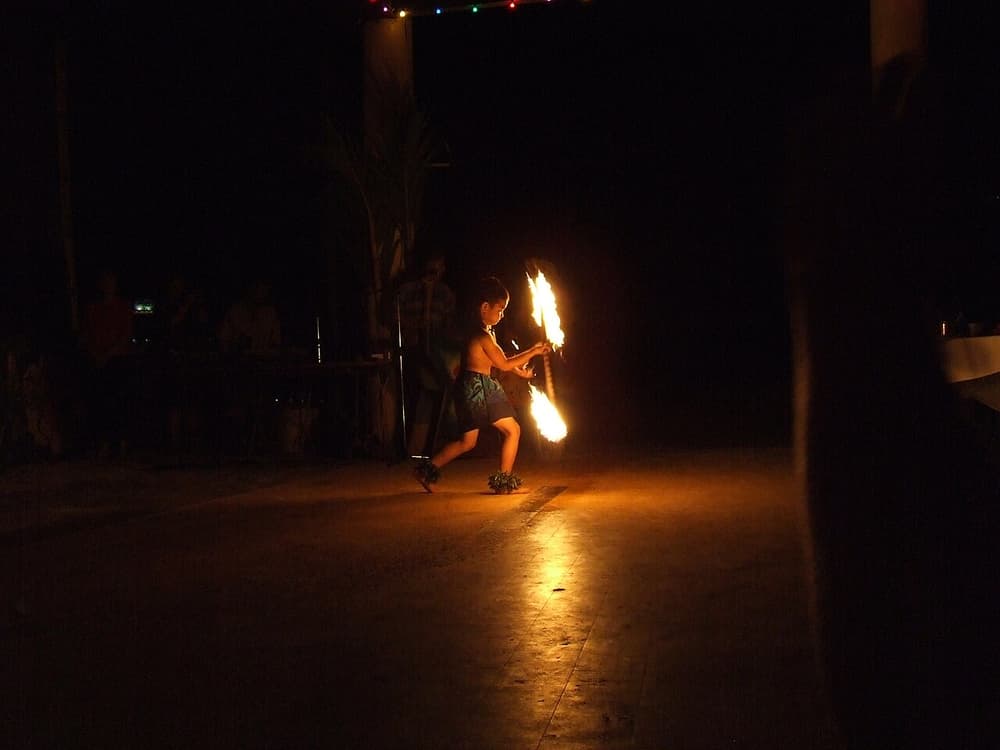
Fire dancers, Chamorro chants and a barbecue buffet on the beach at dusk: the classic Guam evening, with several shows listed on GetYourGuide.
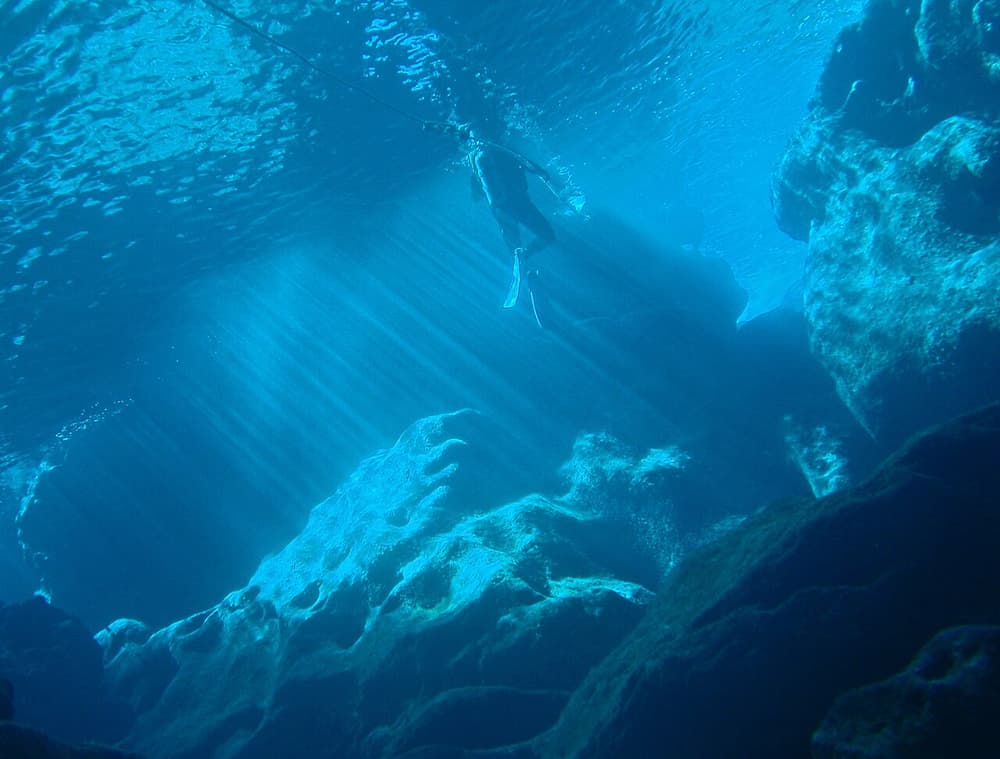
A collapsed limestone cavern on Saipan’s north coast where shafts of blue light pour through underwater tunnels — one of the best-known dive sites in Micronesia.
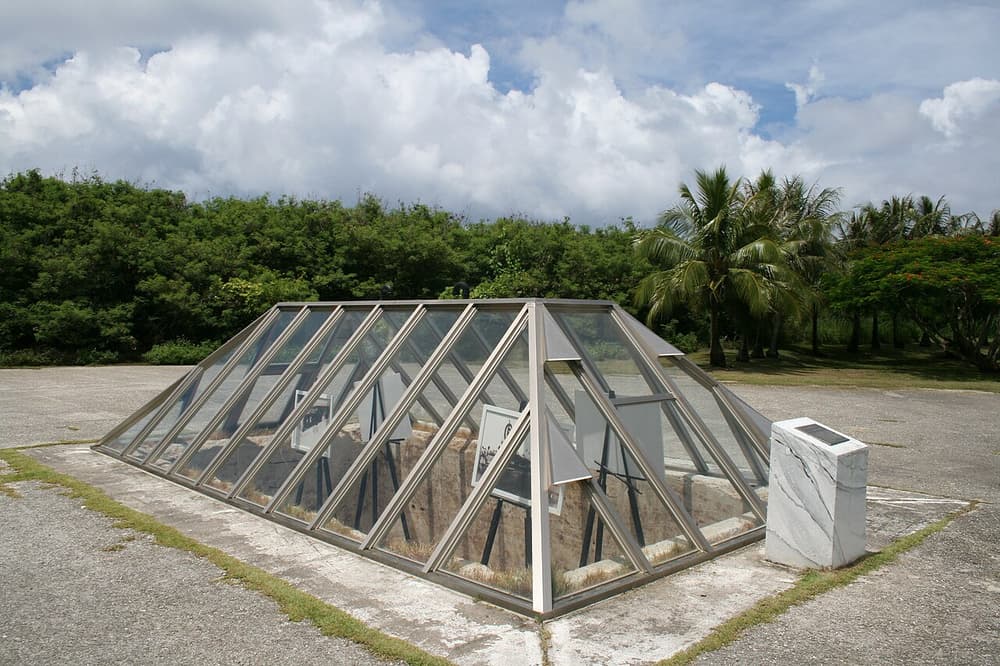
Drive the runways of what was the world’s busiest airbase in 1945 and see the pits where the atomic bombs were loaded — a sobering, unforgettable day trip from Saipan.
Use this to decide where to base yourself and what to add. “Bookable online” refers to GetYourGuide listings when we checked in October 2026.
| Destination | Best for | Feel | Bookable online | Stay |
|---|---|---|---|---|
| Tumon & Tamuning (Guam) | Beach, shopping, shows, families | Busy resort strip | Shows and a dinner cruise | 2–4 nights |
| Hagåtña & Central Guam | History, snorkelling, dolphins | Small capital, working harbour | Most of Guam’s listings | Half a day–1 day |
| Southern Guam | Scenic drive, villages, waterfalls | Rural and green | One listing | 1 day |
| Northern Guam | Two Lovers Point, wild beaches | Plateau, cliffs, military land | None | Half a day |
| Garapan & West Saipan | Lagoon beaches, dining, WWII park | Compact resort town | None yet | 3–5 nights |
| Managaha Island | Swimming, snorkelling | Day-trip sand cay | None — tickets sold locally | Half a day |
| Northern Saipan | Cliffs, memorials, the Grotto | Empty, dramatic | None yet | Half a day–1 day |
| Saipan South & East | Mount Tapochau, hikes, shore dives | Wild coast, back roads | None yet | 1 day |
| Tinian | Atomic-era history, empty beaches | Very quiet | None | Day trip–2 nights |
| Rota | Village life, birds, clear-water diving | Slowest of all | None | 2–3 nights |
| Northern Islands & trench | Volcanoes, science, armchair travel | Uninhabited | Expedition only | — |
GetYourGuide lists a small number of real experiences in the Marianas, all of them on Guam. These are the ones we would look at first — the full, honest picture is on the tours page.
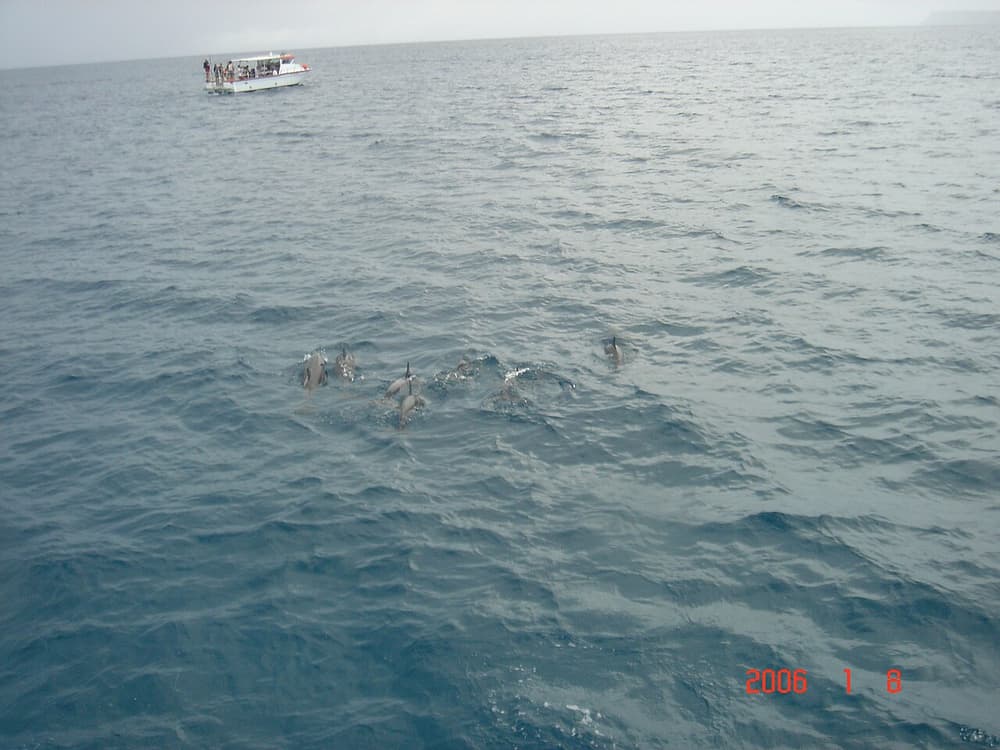 Hagåtña & Central Guam from €48
A boat trip along the coast to look for spinner and bottlenose dolphins, with the option of adding a visit to the Fish Eye underwater observatory. Dolphins are wild, so sightings cannot be guaranteed.
Tumon & Tamuning from €78 An open-air show on the beach mixing Pacific island dance, live music and fire performances, with show-only or dinner tickets.
Hagåtña & Central Guam from €39 A snorkelling tour of the Piti Bay Marine Preserve with a certified guide, swimming among reef fish and corals. A sensible choice if you are new to snorkelling.
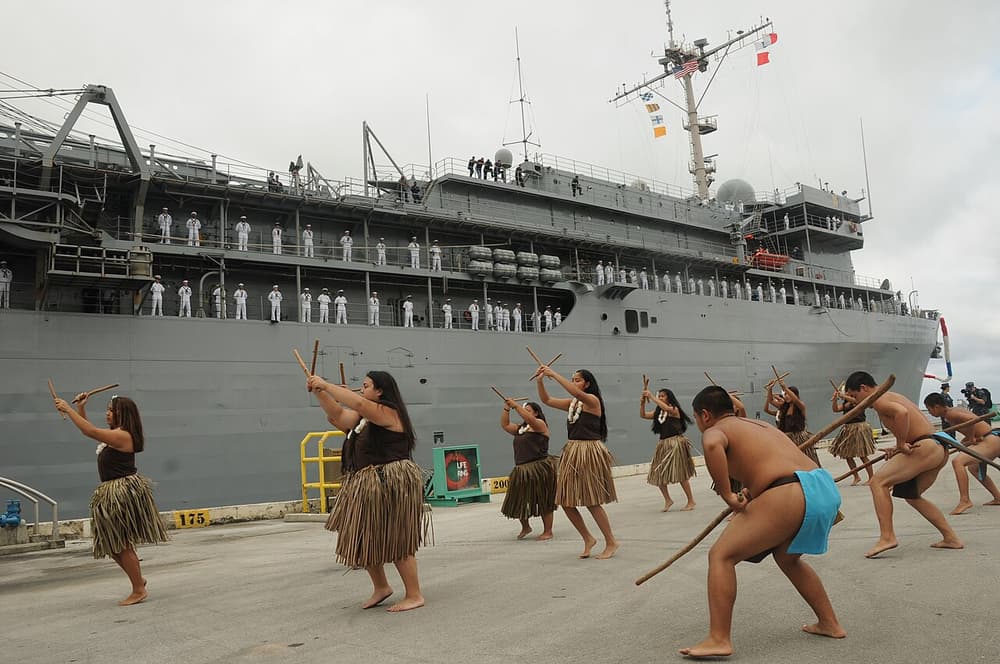 Hagåtña & Central Guam from €85
Island and international dishes in an open-air garden beside a lagoon and waterfall, followed by cultural performances with music, hula, warrior chants and a fire-dance finale.
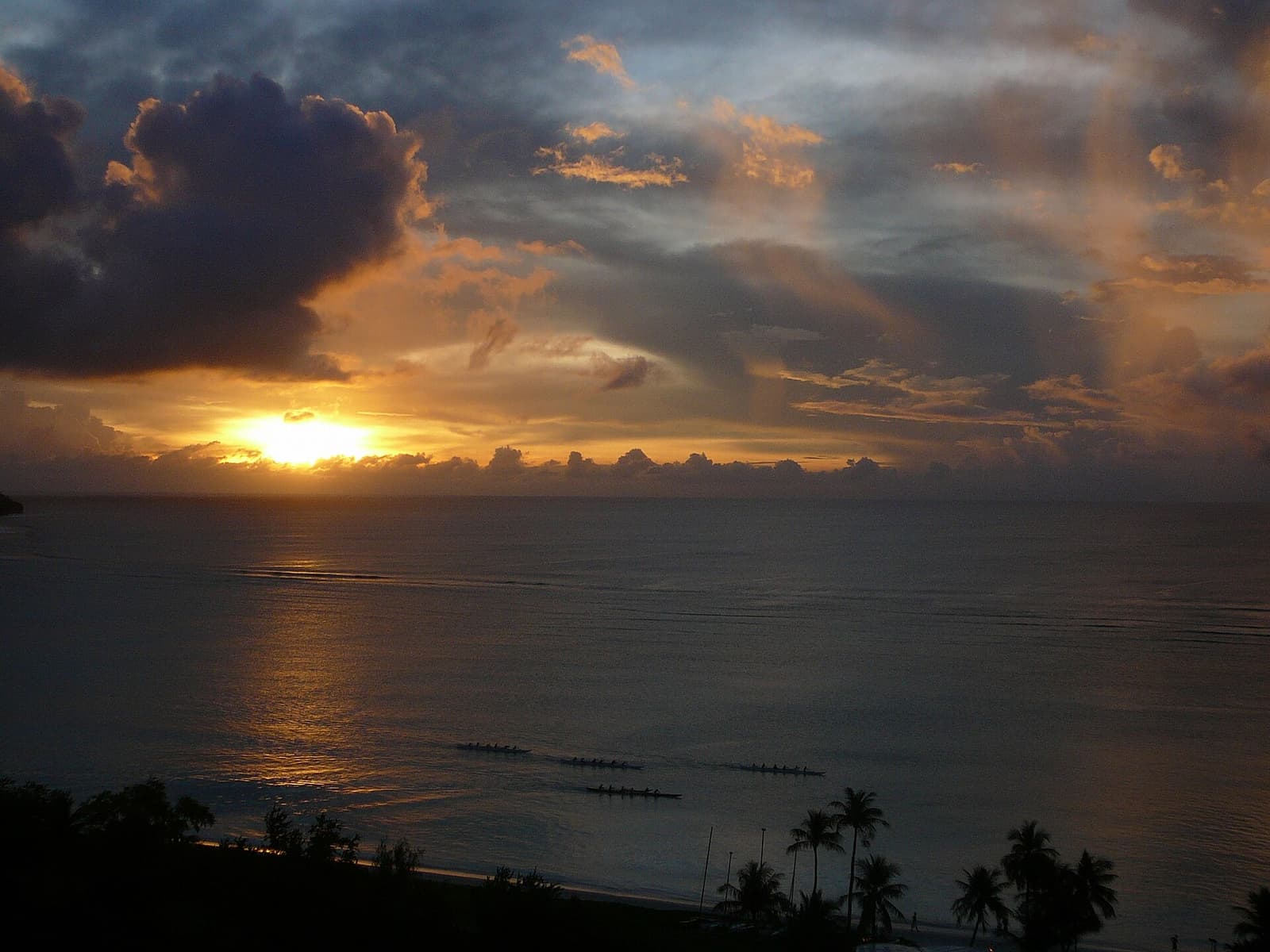 Tumon & Tamuning from €62
An evening sail on a spacious catamaran with a barbecue buffet and unlimited drinks while the sun goes down over the Philippine Sea.
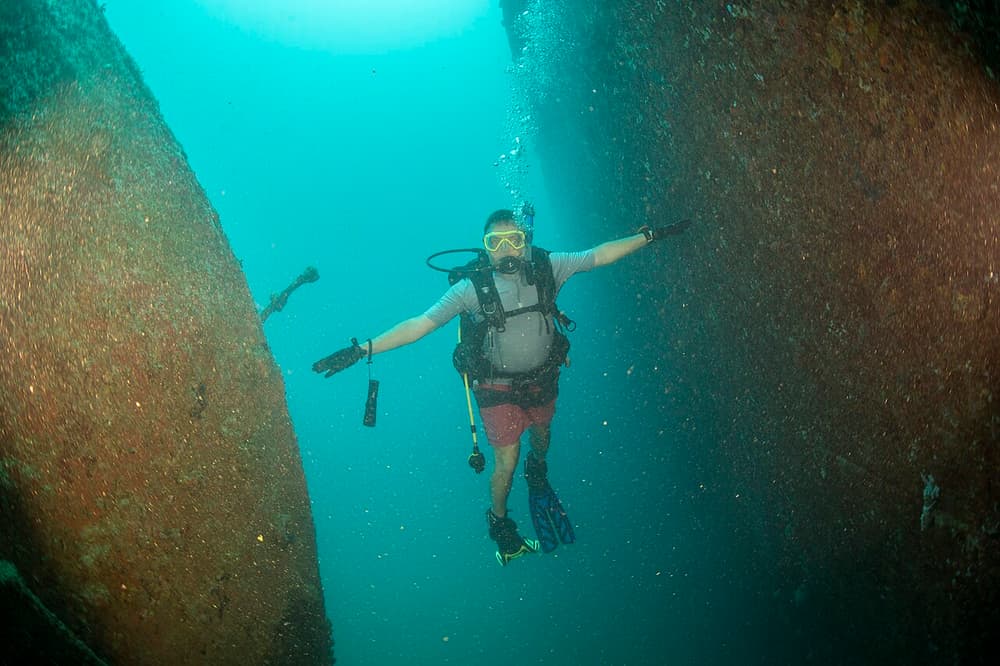 Hagåtña & Central Guam from €80
An easy-access beach dive for certified divers and first-timers alike, over coral and a sand bottom with tropical fish. Resident green sea turtles are often seen.
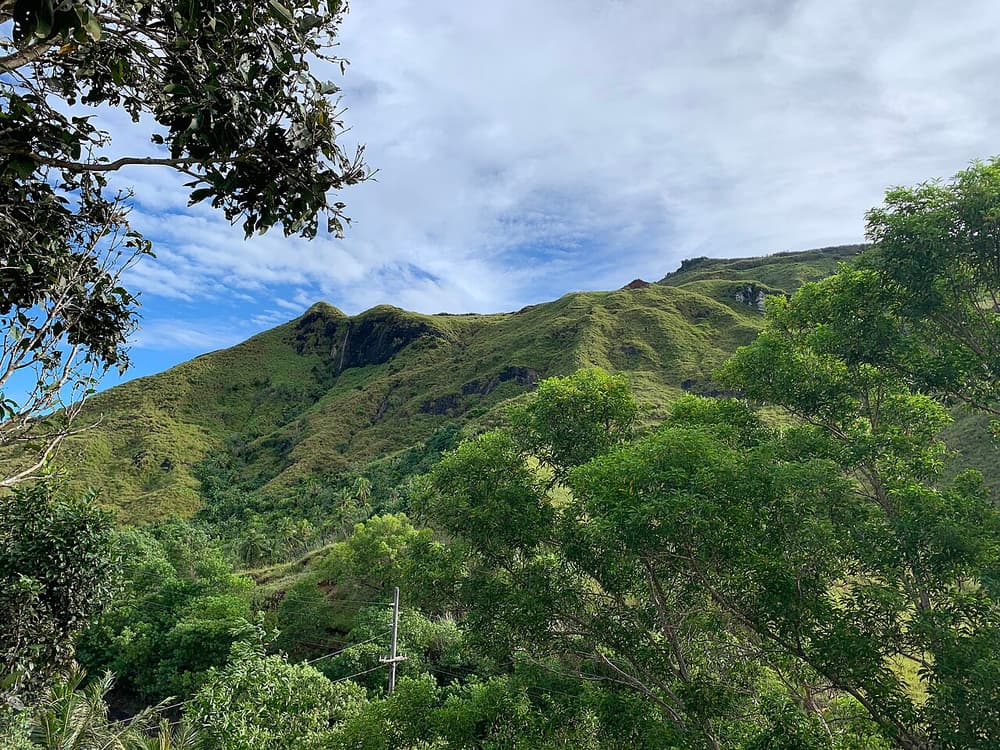 Southern Guam from €102
An off-road adventure at LeoPalace Resort in the hills of Yona: drive through jungle trails to scenic views, then use the resort pool with its water slide. A souvenir photo is included.
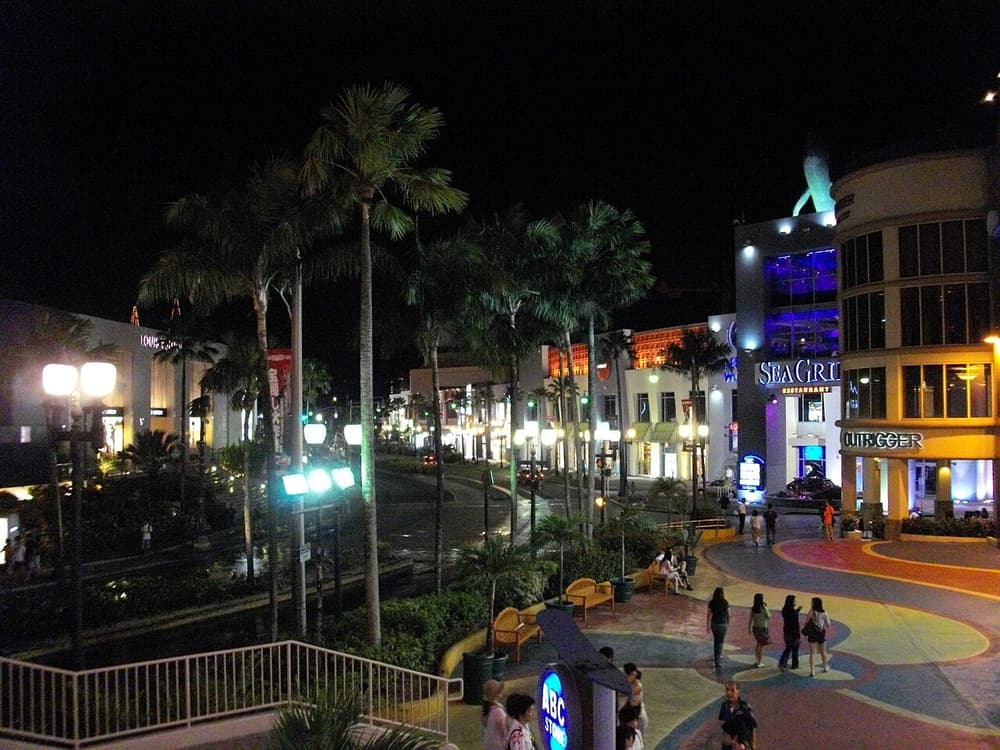 Tumon & Tamuning from €92
A high-energy stage production at Tumon’s SandCastle theatre with acrobatics, fire dancing, live music and visual effects. Book the show alone or with dinner.
Trade winds, lower humidity and short showers. The best weather, and the highest prices around New Year, Lunar New Year and Golden Week.
Dry-season weather without the holiday peaks: our favourite time for both Guam and Saipan.
Hot, humid and green, with heavy but often short downpours. Good hotel deals outside the summer school holidays.
Typhoons can form in any month but are likeliest now. Most trips are unaffected; buy flexible tickets and insurance.
Prices and dates straight from GetYourGuide. Nothing is listed for Saipan, Tinian or Rota yet; we explain how to arrange those locally.
Most visitors pick either Guam or Saipan. With a week or more, you can link them — and add Tinian or Rota by small plane.
Tumon beach time, a dolphin cruise or snorkel at Piti, Hagåtña’s old quarter and a full-day drive around the south.
Garapan and Managaha, the northern cliffs and the Grotto, Mount Tapochau, and a day trip by air to Tinian’s North Field.
Guam, then a short flight to Saipan, with Tinian as a day trip and two slow nights on Rota before flying home.
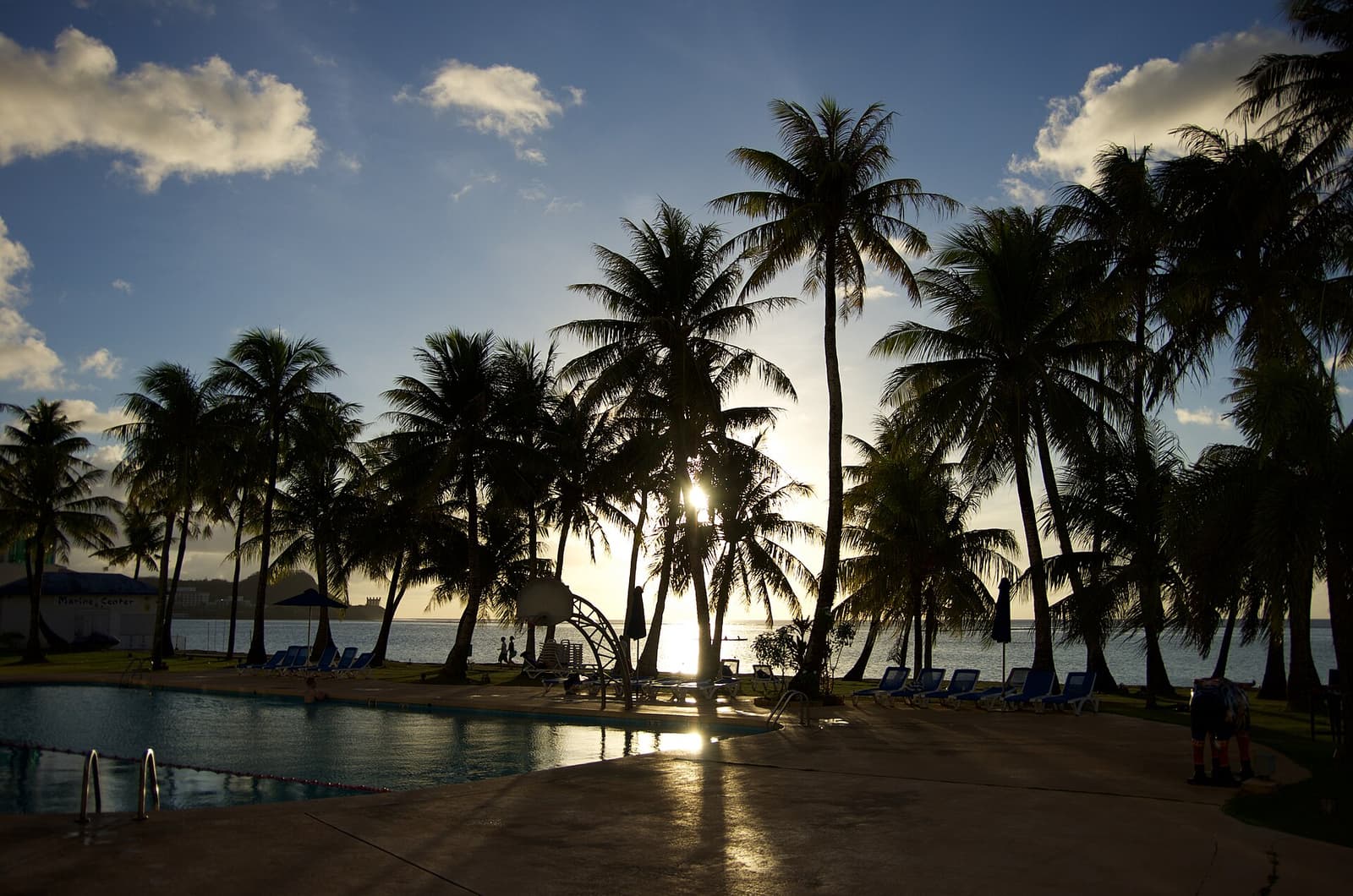
Big beachfront resorts line Tumon Bay on Guam and the Garapan–Susupe shore on Saipan; Tinian and Rota have only a handful of small hotels. We group real Trip.com listings by destination so you can compare locations before prices.
 Compare places to stay
Dinner shows, dolphin cruises and guided snorkelling run with limited seats and fill up around New Year, Lunar New Year, Golden Week and the summer holidays. Compare what is bookable online and reserve in a couple of taps.
In the western Pacific, roughly 2,500 km south of Tokyo and 2,400 km east of Manila. The chain runs for about 750 km from Guam in the south to Farallon de Pajaros in the north, beside the Mariana Trench.
Both are part of the United States but they are separate jurisdictions: Guam is a US territory, and Saipan is the main island of the Commonwealth of the Northern Mariana Islands. They have different governments and, for many nationalities, different entry arrangements — see the travel guide.
It depends on your passport. US citizens need no visa. Many other visitors can enter under the US Visa Waiver Program with an ESTA or under the separate Guam–CNMI visa waiver; the rules have changed in recent years, so check the official US Customs and Border Protection pages before you book. Our travel guide outlines the options.
Guam is bigger and busier, with more hotels, shopping, restaurants and bookable tours. Saipan is smaller and quieter, with a superb lagoon, Managaha Island and more dramatic wartime sites, and it is the stepping stone to Tinian. See the comparison above and the itineraries.
Not at the moment — when we checked in October 2026, GetYourGuide listed experiences only on Guam. In the Northern Marianas you book through hotel desks and local operators; each destination’s tours page explains how.
By air. Guam and Saipan are linked by a short flight, and small propeller aircraft connect Saipan with Tinian and Rota. Schedules are limited and change, so read getting there before fixing your dates.
Yes — these are relaxed, low-crime islands with US-standard infrastructure. The real risks are natural: strong currents outside the reefs, sunburn, and the occasional typhoon. Petty theft from parked cars at remote beaches does happen.
The US dollar everywhere. English is spoken throughout, alongside Chamorro and, in the Northern Marianas, Carolinian; in the resort areas you will also find staff who speak Korean, Japanese and Chinese.