The sights
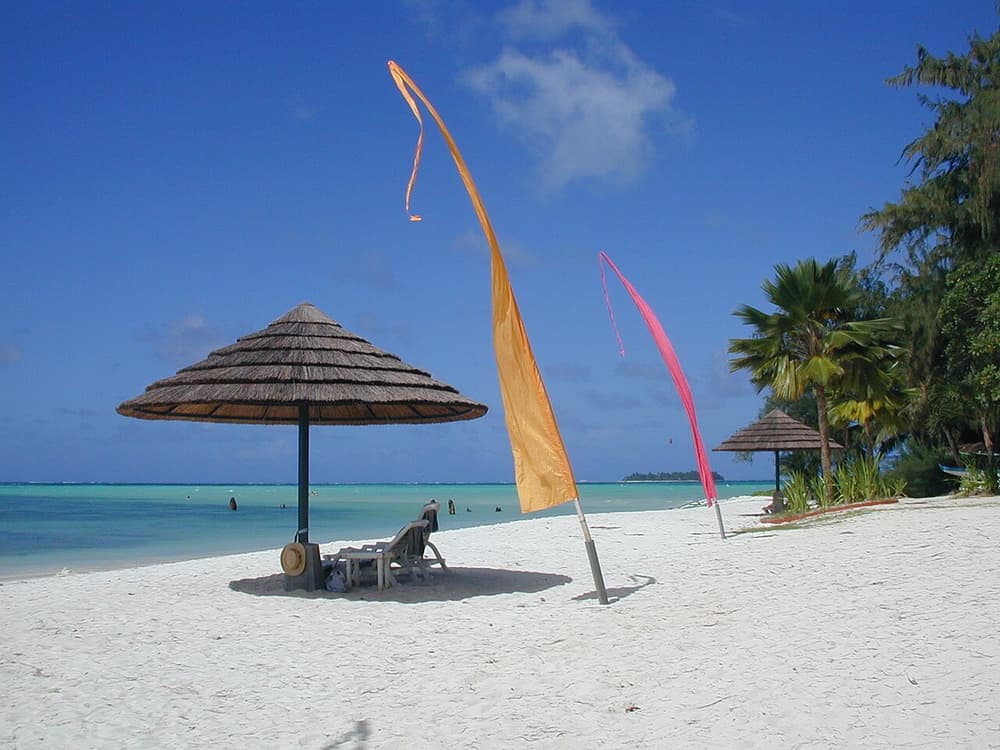
Micro Beach
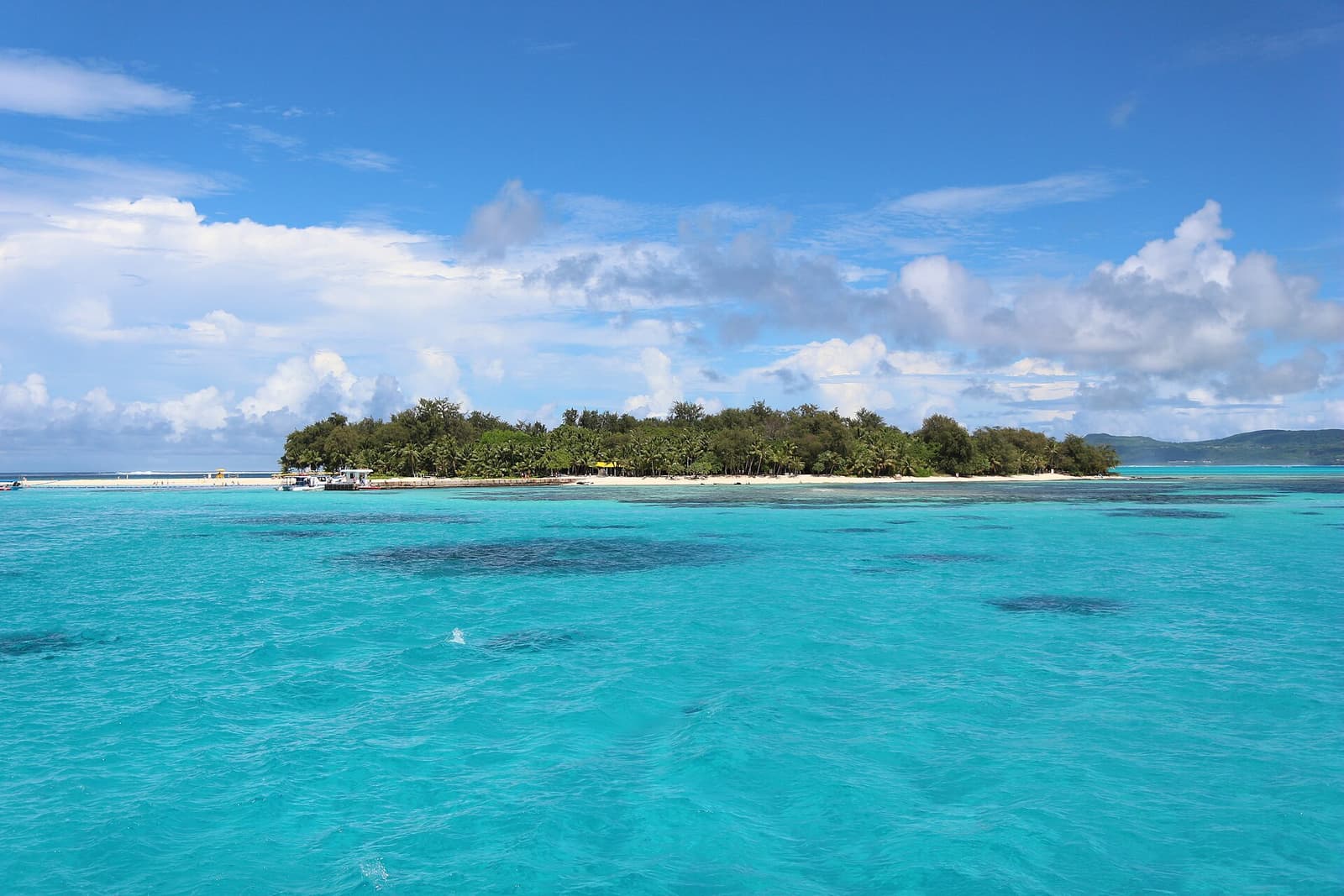
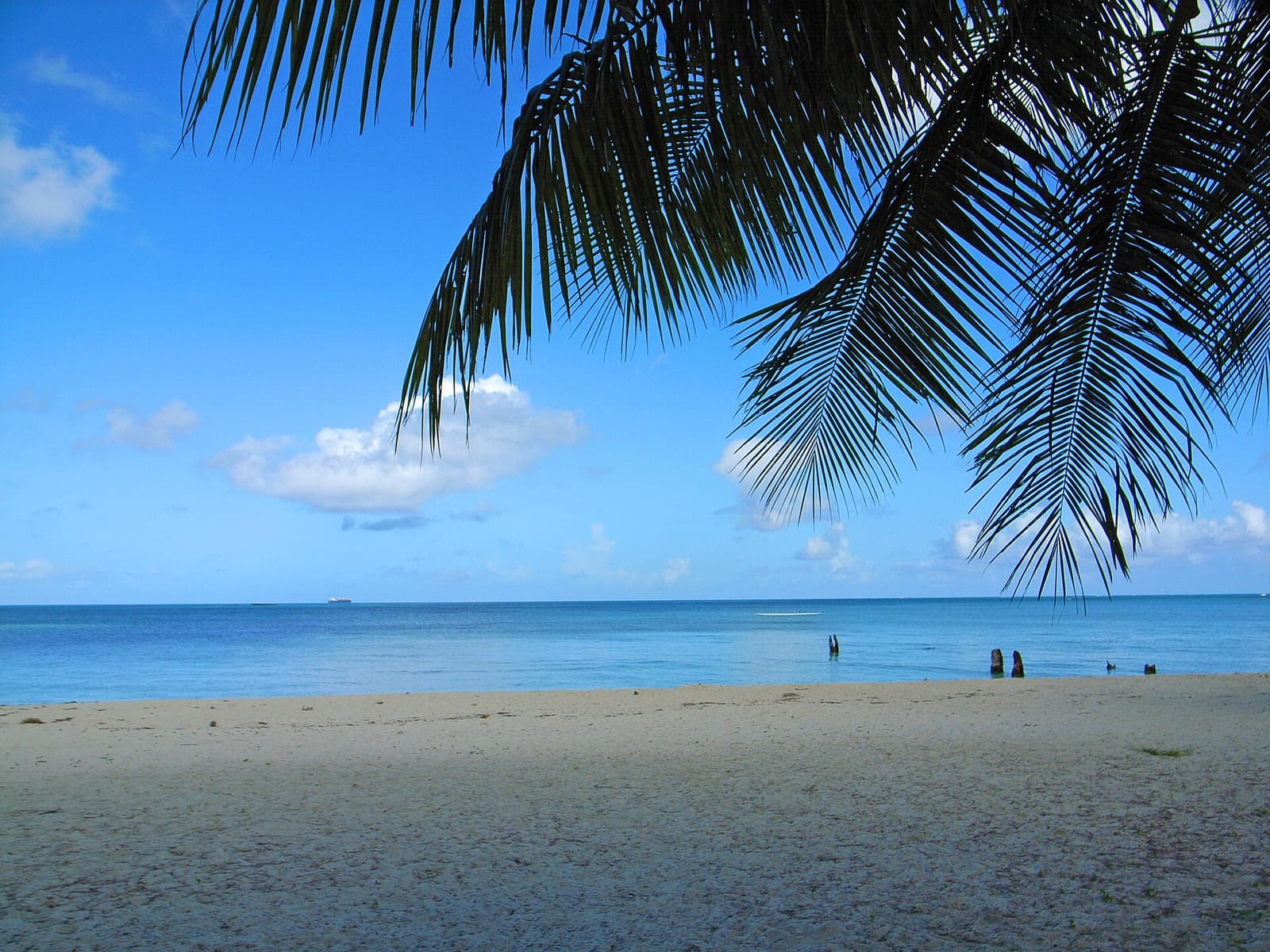
Saipan’s best town beach: a broad curve of white sand at the northern edge of Garapan with shallow, clear water that shifts through several shades of blue as the light changes. It faces due west, so the sun sets over the lagoon with Managaha Island in silhouette.
ℹ️ Public beach, free and open at all times. Shallow for a long way out — good for children and wading, less so for proper swimming at low tide. Shade is limited; water sports operators work from the sand. Next to American Memorial Park.
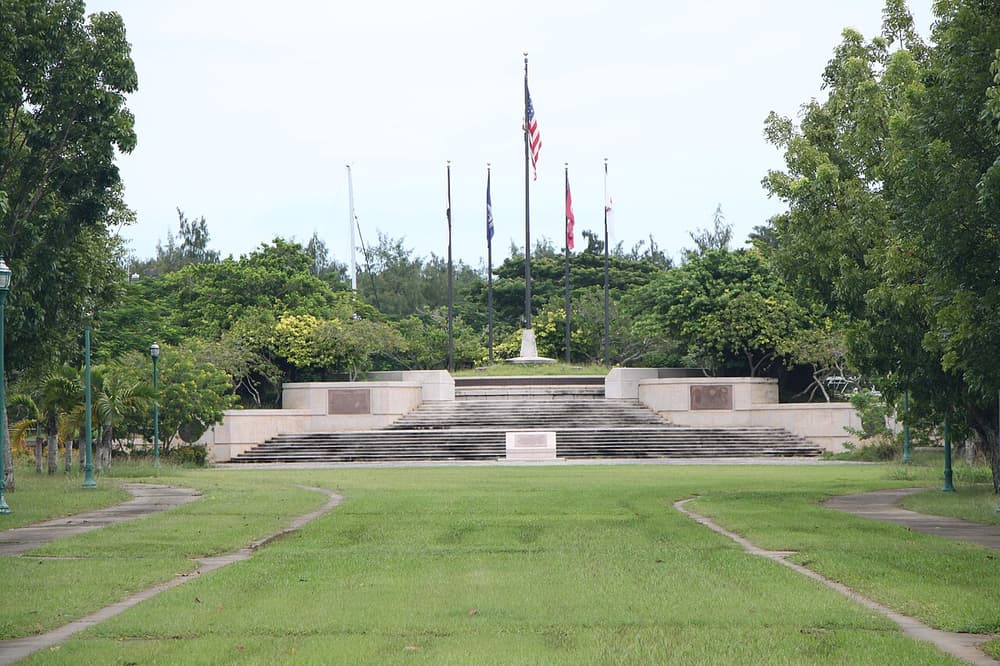
American Memorial Park
A green waterfront park, affiliated with the US National Park Service, honouring the American servicemen and the Chamorro and Carolinian civilians who died in the Marianas campaign of 1944. The Court of Honor and Flag Circle carry around 5,000 names; there is also a carillon, a wetland and mangrove trail, sports fields and the marina.
ℹ️ Grounds free and open daily. The visitor centre has Second World War exhibits and a short film, also free — check current opening days and hours before you go. Allow one to two hours. A place of remembrance: dress and behave accordingly at the memorials.
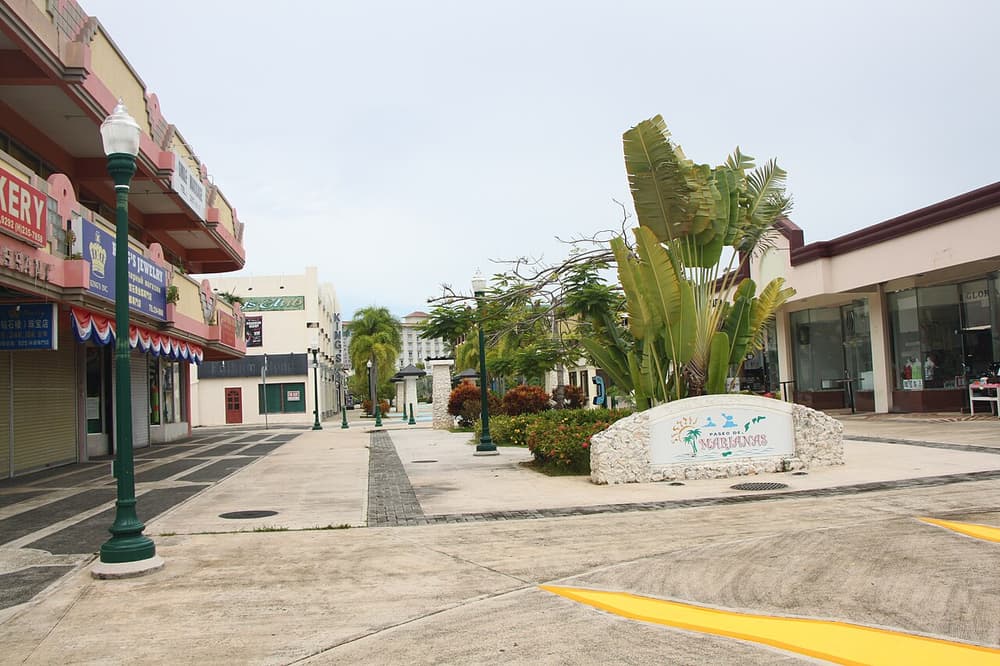
Garapan & the Paseo de Marianas
The visitor district is a few blocks of hotels, duty-free shops, massage parlours and restaurants gathered around the Paseo de Marianas, a short pedestrian street. Little survives of the pre-war Japanese town, but a traditional Carolinian utt, or meeting house, near the shore recalls the island’s canoe-building heritage.
ℹ️ Liveliest after dark. A street market with barbecue and snack stalls has usually been held on Thursday evenings — ask locally whether it is running. The very large unfinished casino hotel on the waterfront is closed.
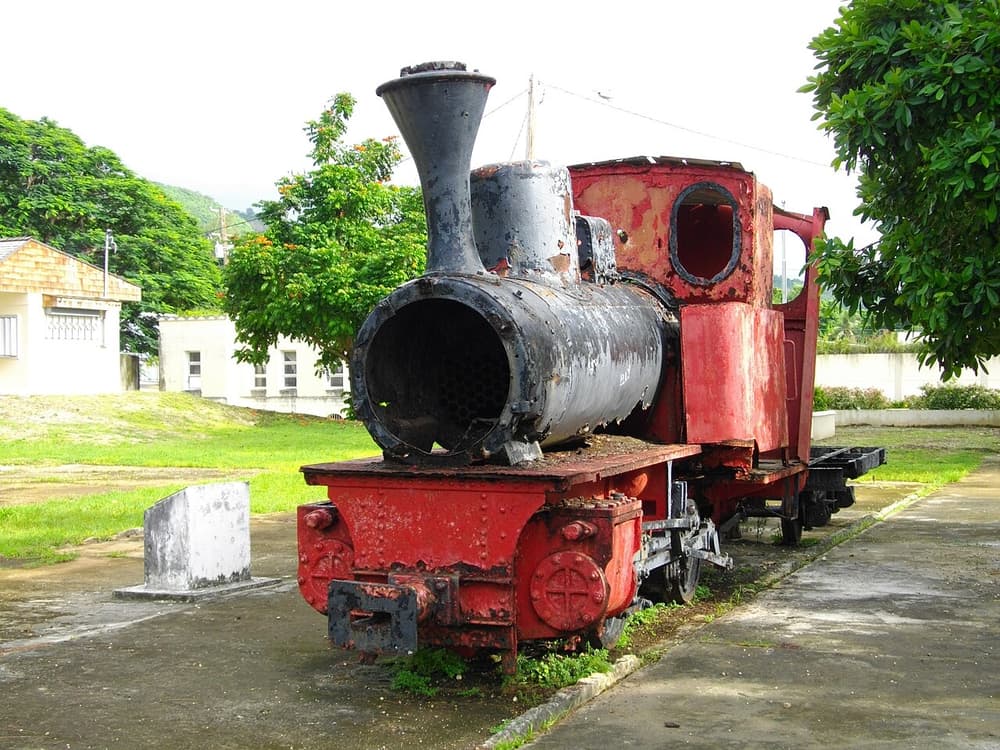
Sugar King Park & the NMI Museum
A small park remembering the Japanese sugar era: a 1934 statue of Haruji Matsue, the “Sugar King” who built the industry, a red locomotive from the cane railway, a rebuilt Shinto shrine and a botanical garden. Opposite, the NMI Museum of History and Culture occupies the old Japanese hospital of 1926.
ℹ️ Park free and open daily. The museum has had irregular hours — check whether it is open. The ruined Japanese jail a short walk away is sometimes linked to Amelia Earhart; the story is unproven.
Landing beaches & lagoon tanks
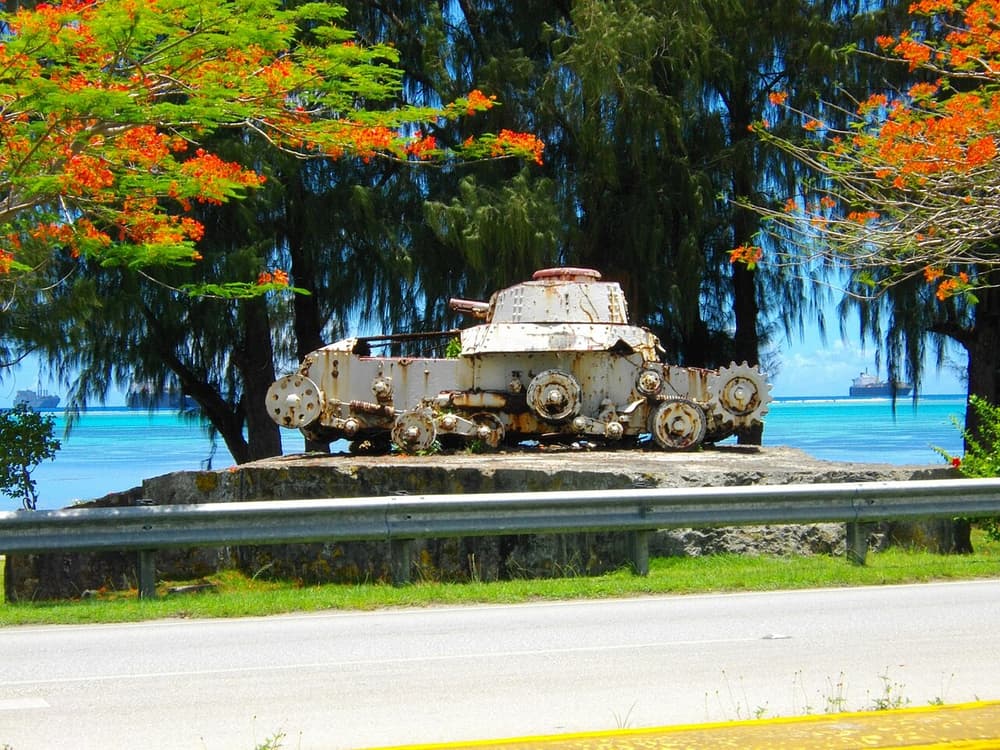
On 15 June 1944 US Marines landed along the Chalan Kanoa and Susupe shore, and the beaches are now part of a National Historic Landmark district. Two or three Sherman tanks that never reached the sand still sit rusting in the shallow lagoon off Susupe and Oleai, and Japanese bunkers and pillboxes stand beside Beach Road.
ℹ️ Free; the tanks are visible from the shore and the coastal pathway. At low tide people wade or kayak out, but wear reef shoes, watch for boats and do not climb on or remove anything. Kilili Beach Park has parking and shelters.
Mount Carmel Cathedral
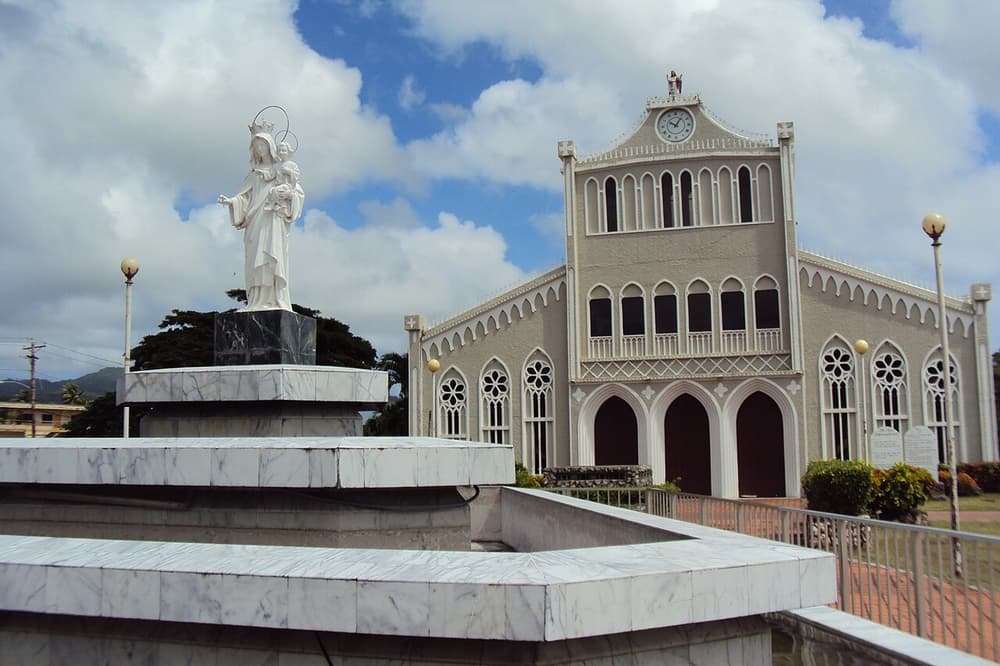
The seat of the Diocese of Chalan Kanoa, rebuilt in 1949 after the war and still the centre of village life in the south. Nearby stand a Lourdes shrine and the chimney and ruins of the Japanese-era sugar mill around which the town first grew.
ℹ️ Free. A working church — visit quietly outside service times, with shoulders and knees covered. About 10–15 minutes’ drive south of Garapan along Beach Road.