The sights
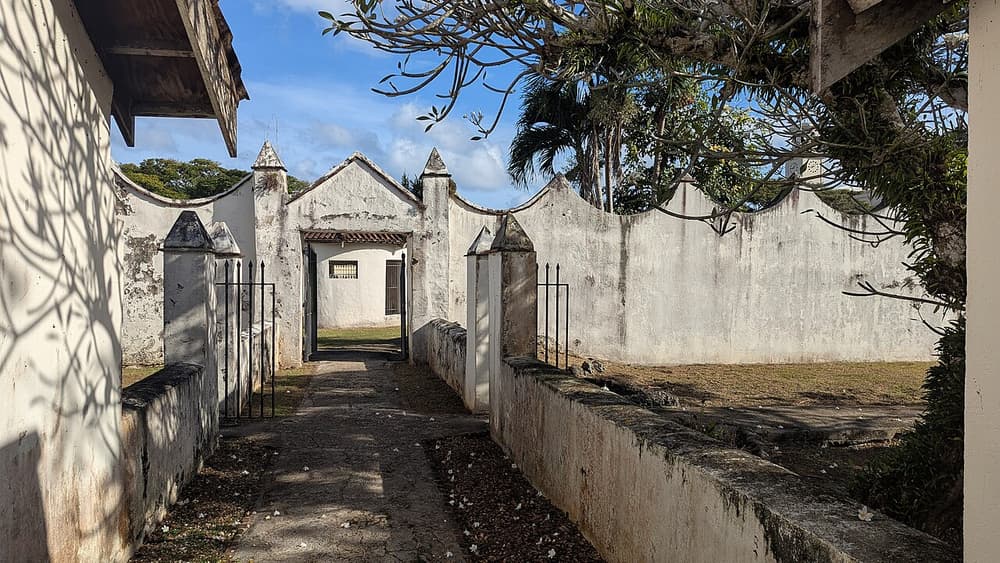
Plaza de España
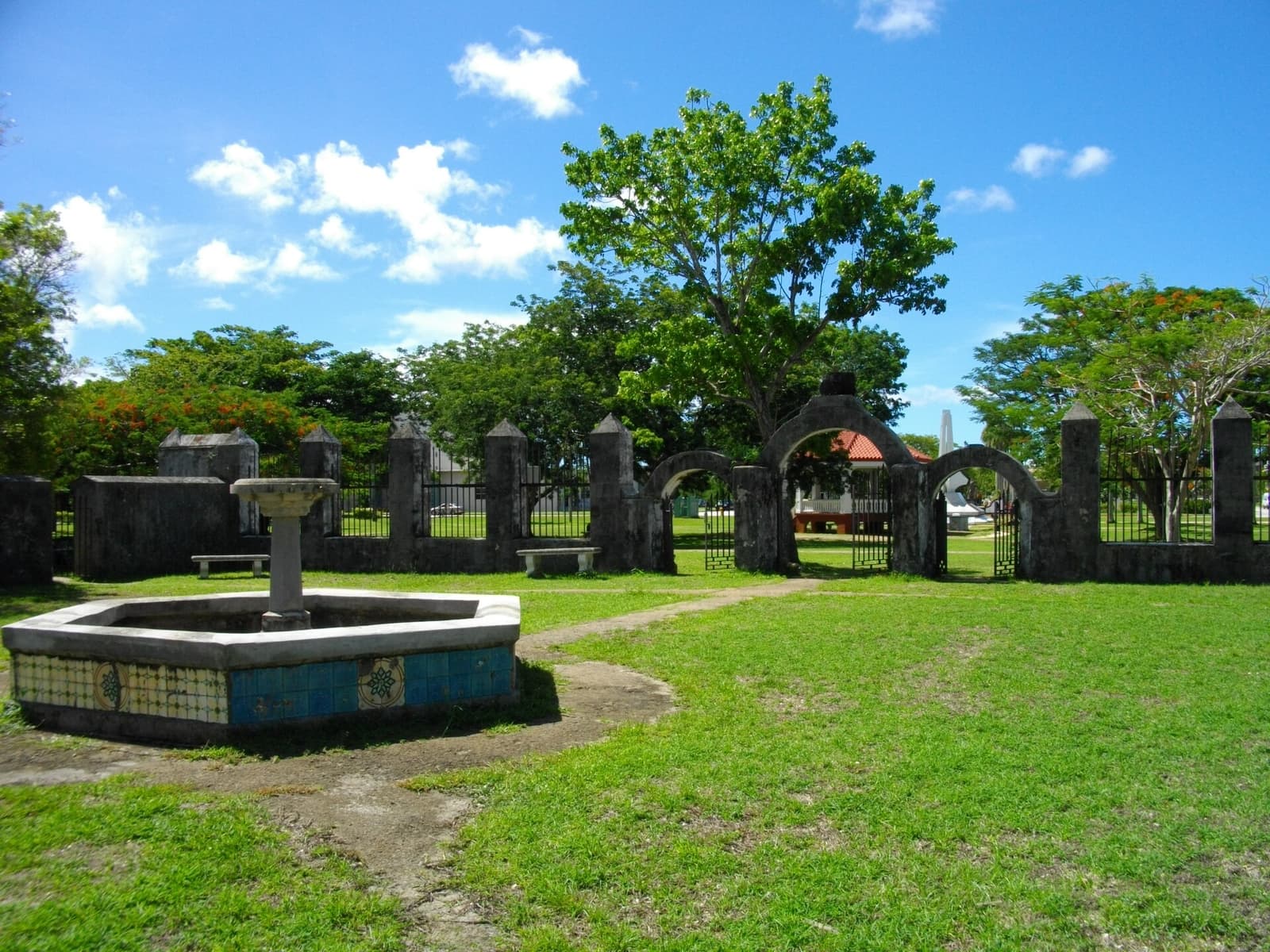
The heart of Spanish Agana, where the governor’s palace stood until it was destroyed in 1944. What remains is evocative rather than grand: the Azotea, a raised terrace that was once the palace’s back porch; the little round Chocolate House, where the governors’ wives are said to have served chocolate to guests; and the three-arch gate of the old storehouse, all set in open lawns.
ℹ️ Open public park, free. Allow 20–30 minutes. The Guam Museum stands beside neighbouring Skinner Plaza — check its opening days before you go. Little shade at midday.
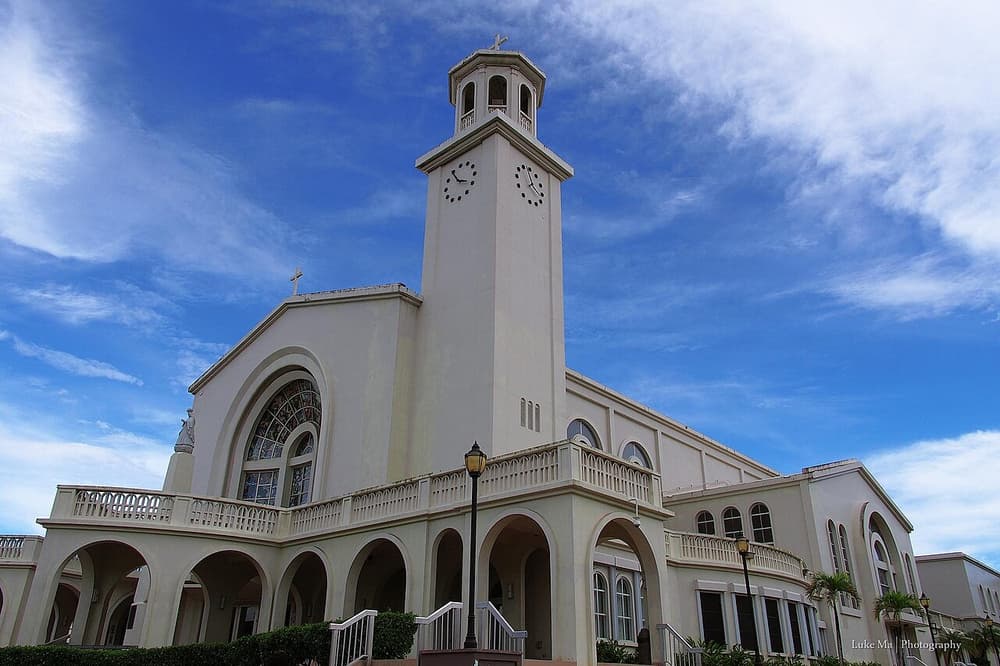
Dulce Nombre de Maria Cathedral-Basilica
The white cathedral beside the plaza stands on the site of the first church in the Marianas, built in 1669 under Padre San Vitores. The present building dates from 1959. Above the altar is the small, much-loved statue of Santa Marian Kamalen, patroness of the island, carried in procession through Hagåtña every 8 December.
ℹ️ Free; donations welcome. A working church — dress modestly and do not wander about during Mass. Opening times vary, so try the doors on a weekday morning.
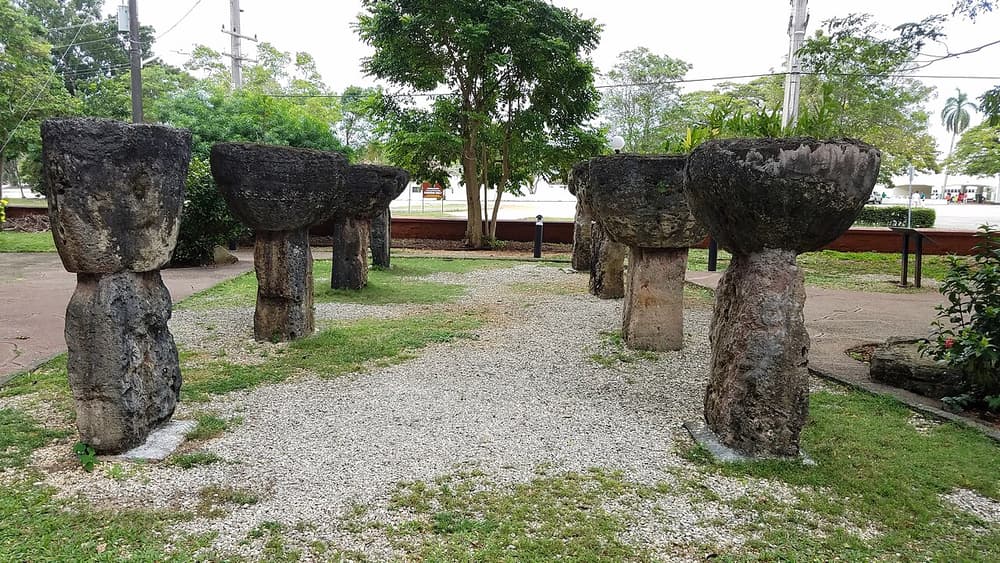
Latte Stone Park
Eight latte — the capped stone pillars on which ancient Chamorro houses were raised, and the emblem of the Marianas — stand in two rows at the foot of the cliff. They were moved here from Me’pu in the island’s interior. In the rock face behind are caves and shelters dug during the Japanese occupation. The park’s formal name honours Senator Angel Leon Guerrero Santos.
ℹ️ Free, open at all times. Ten minutes’ walk from the plaza. Allow 15–20 minutes; treat the stones with respect and do not climb on them.
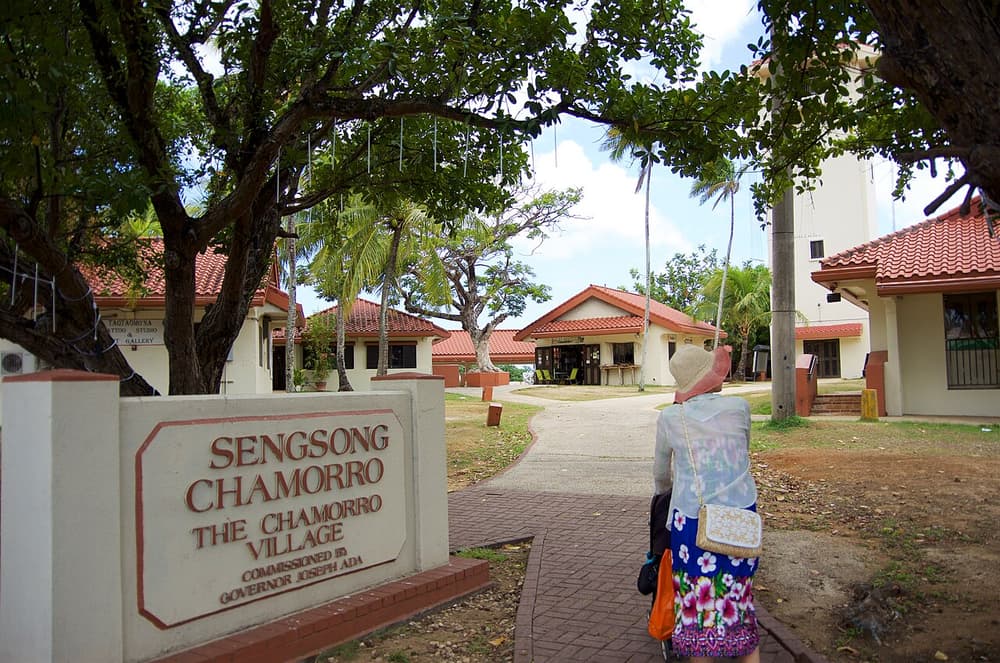
Chamorro Village
A cluster of tile-roofed stalls by the waterfront selling local food and crafts. By day it is quiet; on Wednesday evenings it becomes the island’s liveliest night market, with smoke rising from barbecue stalls, queues for red rice and chicken, craft sellers and dancing. Next door, Paseo de Susana park has a small Statue of Liberty replica and sea views.
ℹ️ The night market usually runs on Wednesdays from about 17:30 to 21:30 — confirm locally. Parking is very crowded; arrive early or come by taxi. Bring cash for the food stalls.
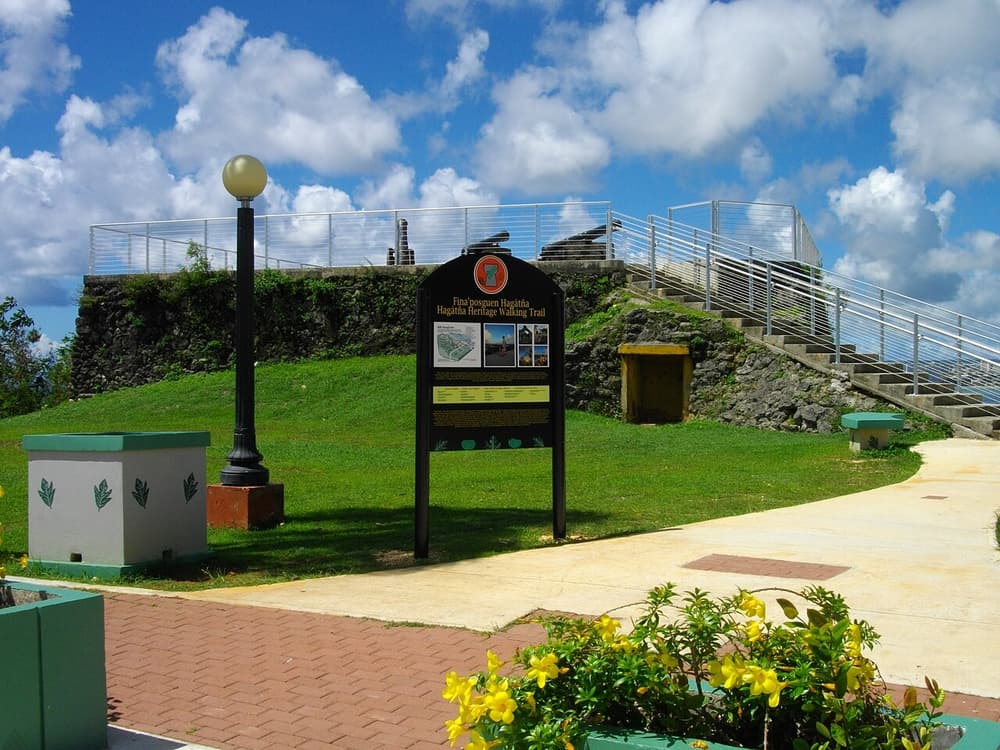
Fort Santa Agueda (Fort Apugan)
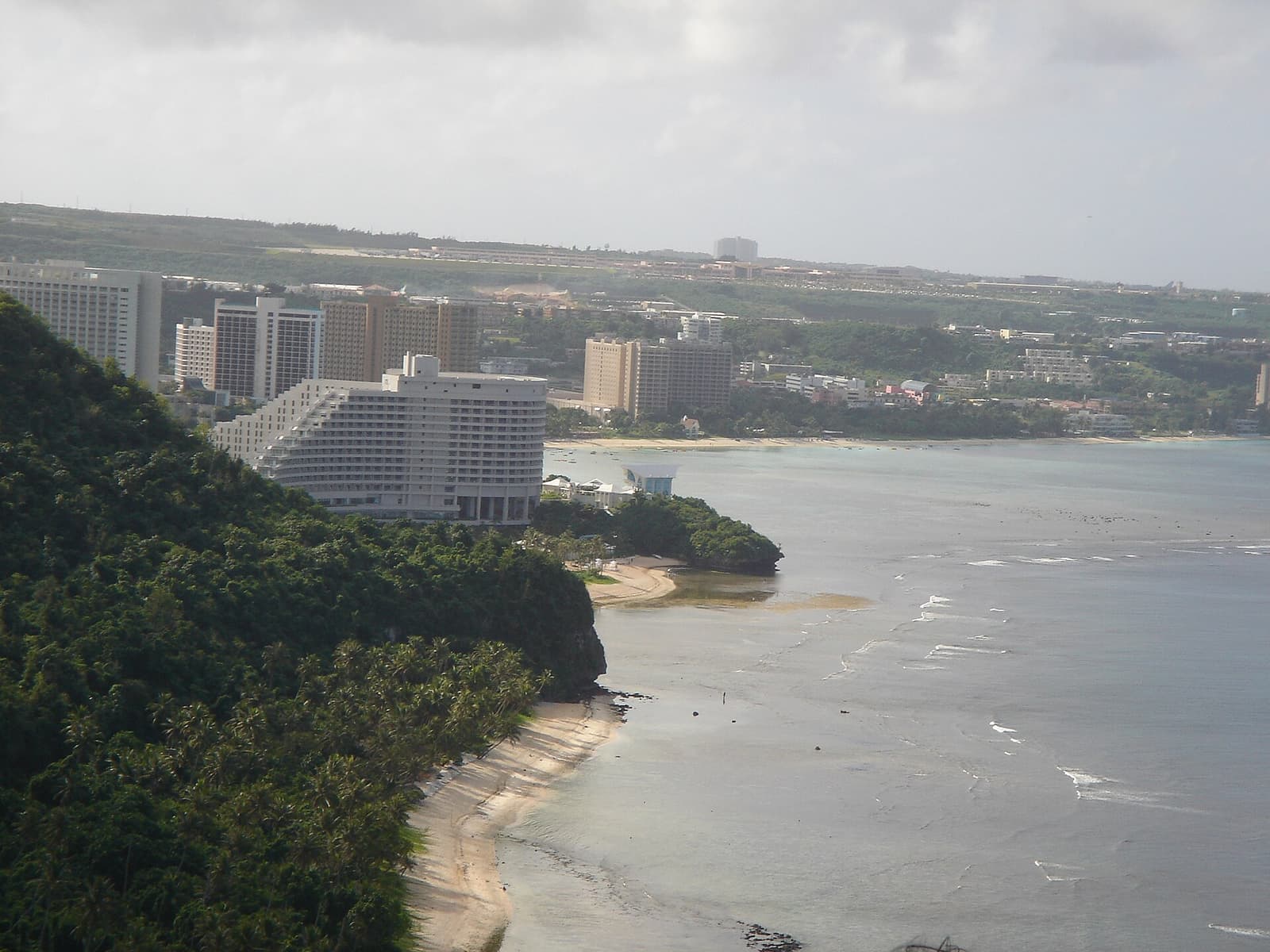
A low stone platform on the hill above town is all that survives of a small fort the Spanish built around 1800 to protect the capital. The reason to come is the panorama: the grid of Hagåtña, the curve of Agana Bay, the reef line and, on a clear day, the coast up to Two Lovers Point.
ℹ️ Free, open site with a small car park. Five minutes’ drive uphill from the plaza. Best in the morning or near sunset; allow 15 minutes.
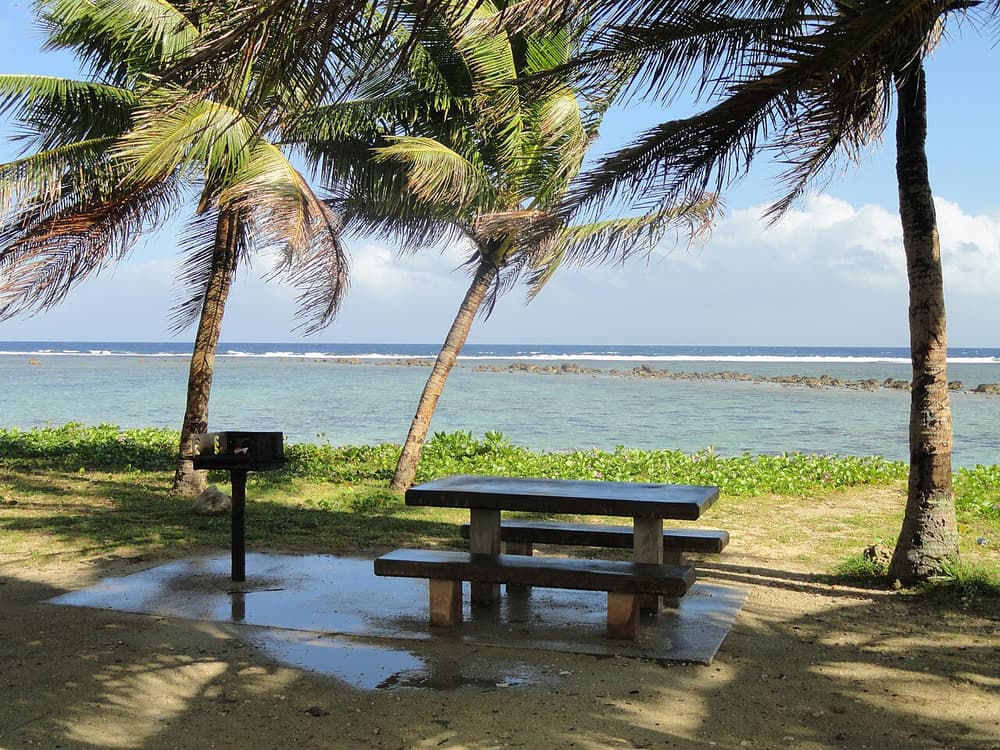
Asan Beach — War in the Pacific National Historical Park
A broad seaside lawn planted with coconut palms marks one of the two beaches where American forces came ashore on 21 July 1944 to retake Guam. Memorials and the remains of Japanese defences are spread around the point. Above, on Nimitz Hill, the Asan Bay Overlook looks down on the landing beach beside a memorial wall carrying the names of those who died or suffered during the occupation and battle.
ℹ️ Free; grounds open daily. The park also has a unit at Agat and a visitor centre near the naval base gate, which has had closures — check its current status. Allow 30–45 minutes for the beach and as long again for the overlook.
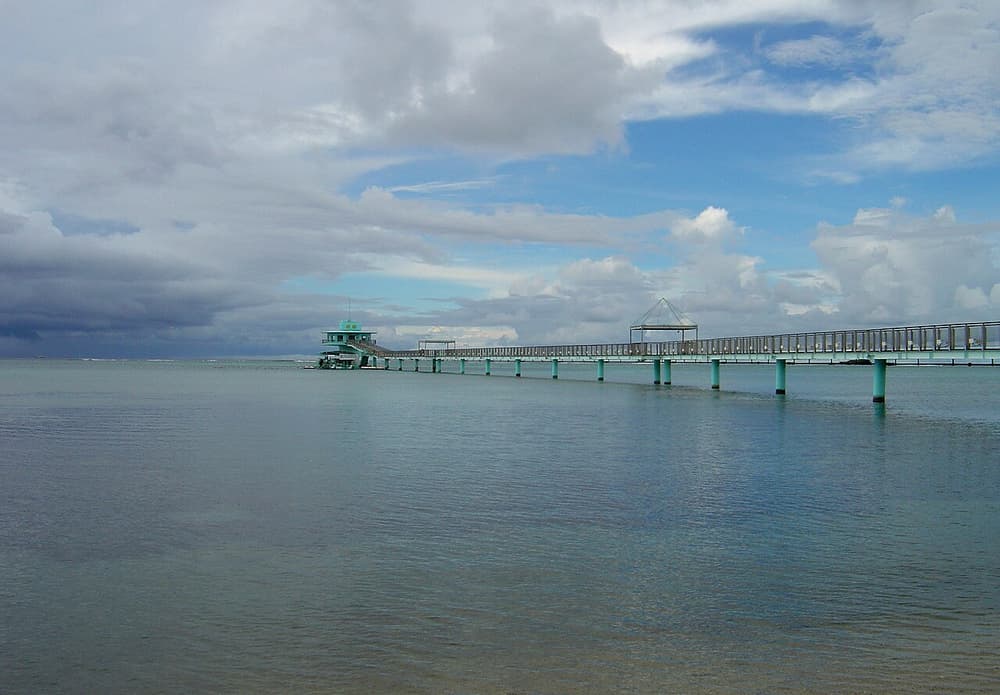
Piti Bomb Holes & Fish Eye Marine Park
Despite the name, the “bomb holes” are natural sinkholes in the reef flat, now a marine preserve crowded with fish. A long pier leads out to an underwater observatory about ten metres down, where you can watch the reef through windows without getting wet. It is Guam’s most popular spot for a first snorkel or introductory dive. Nearby, a short trail climbs to the Piti Guns, three Japanese coastal guns left in the forest.
ℹ️ The shore is public; the observatory charges an entry fee — check the current price and hours. Fishing and collecting are prohibited in the preserve. Calmest in the morning. The Piti Guns trail is short but steep and can be muddy.