Areas at a glance
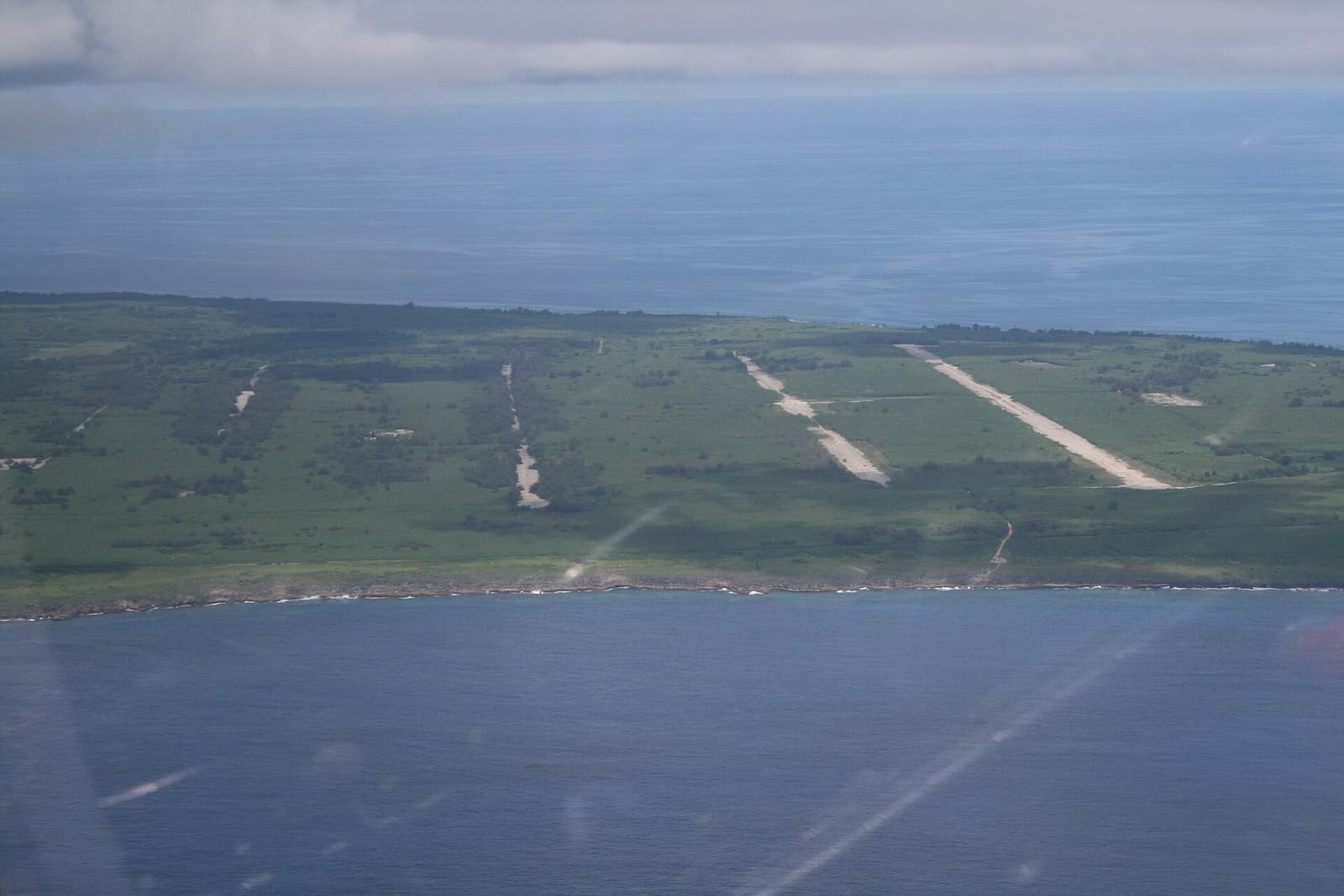
- The nearer islands: Farallon de Medinilla (a closed military range), Anatahan, Sarigan, Guguan and Alamagan — small, steep and uninhabited.
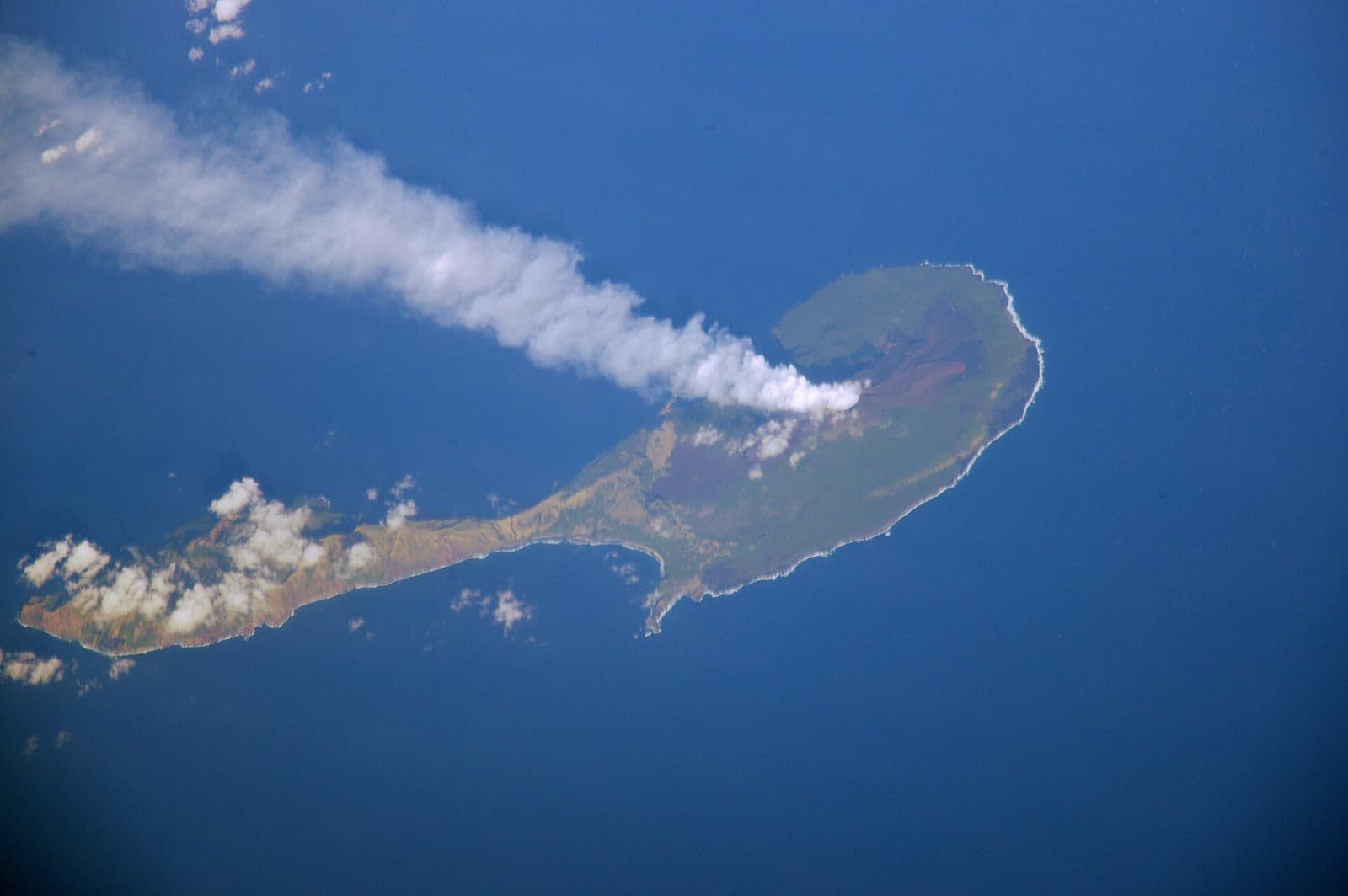
- Pagan and Agrihan: the two largest, both with a history of settlement and both active volcanoes.
- The Islands Unit: Asuncion, Maug and Farallon de Pajaros, whose surrounding waters are part of the marine monument.
- The Volcanic Unit: 21 undersea volcanoes and vents along the arc, including a pool of molten sulphur at Daikoku and vents releasing liquid carbon dioxide at NW Eifuku.
- The Trench Unit: the seabed of the trench itself, east and south of the islands.
Eating and drinking
There is nothing to buy north of Saipan — no shop, no restaurant, no reliable drinking water. Every vessel carries all its food, water and fuel for the whole voyage, with a reserve. On Saipan, by contrast, you will eat very well; see Garapan and west Saipan.
Money, permits and paperwork
Money is of no use on the islands themselves. What matters is permission: the Northern Islands Mayor’s Office for landings, and the federal monument managers for the three northernmost islands and their waters, where fishing and collecting are restricted. Vessels arriving from abroad must clear into the Northern Mariana Islands first; entry rules are outlined in the travel guide.
Safety
These are active volcanoes in open ocean, days from help. There is no rescue service on station, no doctor, no mobile signal and no sheltered harbour. Eruptions, landslides, sudden swell and typhoons are all real possibilities. Nobody should go without satellite communications, medical supplies, an evacuation plan and a skipper who knows these waters.
Good to know
The indigenous Chamorro and Carolinian communities have long ties to these islands — families lived, farmed and fished here within living memory, and many hope to return. Treat the islands as someone’s homeland, not as empty wilderness. For the wider story, see history and culture.
Sample plans
A day on Saipan, looking north
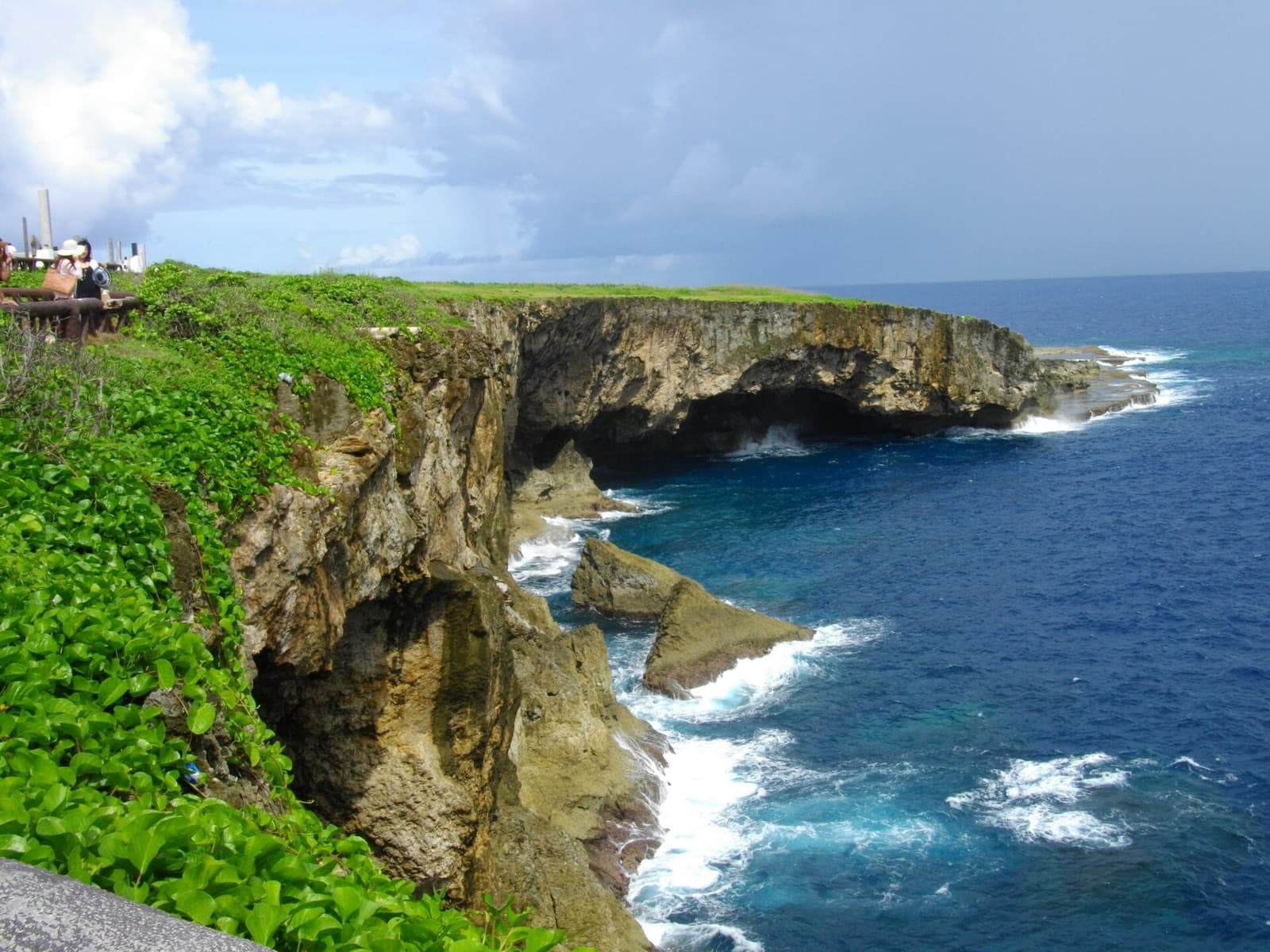
Spend the morning with the exhibits at American Memorial Park and, if it is open, the NMI Museum in Garapan. In the afternoon drive to the Marpi cliffs at the northern tip of Saipan and look out along the line of the island arc; after dark, watch an hour of NOAA’s deep-sea dive footage from the monument.
An expedition cruise
A small number of expedition ships cross the western Pacific each year, and a few itineraries include a hoped-for landing on Pagan or a visit to Maug. Expect a long, expensive voyage in which the northern Marianas are one weather-dependent stop among many — and may be missed altogether.
A research or volunteer berth
Scientists, students and conservation workers occasionally reach the islands on government or university voyages to survey birds, reefs and volcanoes. Places are not sold and go to people with relevant skills, usually through the agencies and institutions running the work.